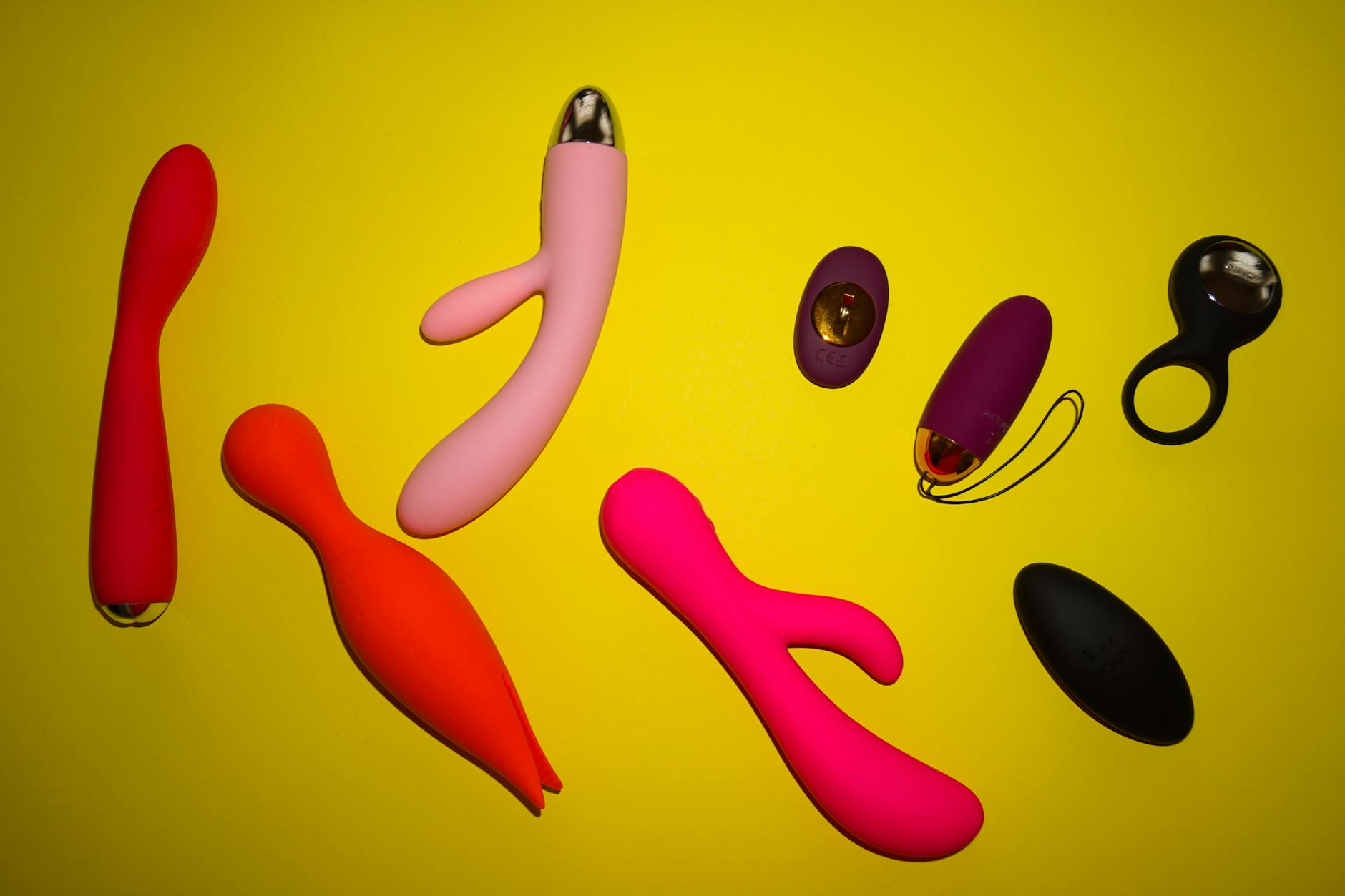
Suction-based clitoral vibrators work differently than traditional vibrators on delicate tissue. Here's what actually happens, and how to use them safely.
If you have sensitive skin down there, you've probably heard conflicting advice about vibrators. Some people swear them off entirely. Others say they're the only thing that works. The truth is more interesting than either camp suggests, especially when it comes to how suction-based clitoral vibrators like the Lemon function on delicate tissue.
Here's the thing: the Lemon works on a completely different principle than a traditional vibrator. That difference actually makes it gentler for many people with sensitive skin, but only if you understand how to use it. Let me walk you through what happens physiologically, why sensitivity matters, and how to figure out if a lemon clitoral vibrator is right for your body.
A traditional vibrator works through rapid oscillation. It presses against tissue and moves back and forth hundreds of times per second. For people with sensitive skin, that friction can feel too intense, too abrasive, or even painful after just a few minutes.
The Lemon works differently. It creates a gentle seal and uses suction to stimulate the clitoris. Rather than friction, it's drawing sensation. This matters enormously for sensitive skin because there's no grinding action. The tissue isn't being pressed and released repeatedly. Instead, the sensation is more like a soft vacuum pulse.
Clinically, I've seen clients with vulvodynia, lichen sclerosus, and general contact sensitivity respond much better to suction-based stimulation than to traditional vibrators. That's not because suction can't be intense. It absolutely can be. It's because you have more control over the intensity from the very beginning, and the sensation spreads across the tissue differently.
When you start a lemon sucker on the lowest setting, you're not getting a tiny fraction of full vibration force. You're getting a genuinely different sensation. That's why people often say the Lemon feels "completely different" from other toys, even when they've used vibrators for years.
Sensitivity in the vulva comes from several sources. Some people have naturally thinner or more reactive tissue. Others have skin conditions that make friction painful. Still others have developed sensitivity from using vibrators that are too intense or for too long without breaks.
When you use a traditional vibrator on sensitive skin, a few things happen. First, the repetitive friction can cause microabrasions, especially if there's not enough lubrication. Second, the vibration frequency can feel overwhelming to nerve endings that are already reactive. Third, there's often a moment of "numbing out" where you increase intensity to compensate, which makes the problem worse.
With a lemon vibrator, the suction mechanism doesn't create the same abrasion risk because there's no grinding motion. The tissue is being gently drawn upward into the cup, not scraped. This is actually why people with sensitive skin sometimes report less irritation with suction devices even when they use them longer.
That said, suction can still be intense. The key difference is that intensity is happening through a different mechanism, and many people find they can modulate it more carefully from the start.
Here's how I recommend approaching a lemon vibrator if you have sensitive skin.
First, start with your toy on the lowest setting. I know this sounds obvious, but most people skip this step. They turn it on and jump to setting three or four because the lowest settings feel subtle. Resist that urge. Spend five minutes at setting one. Feel what the sensation actually is when there's no pressure to "make it work."
Second, use plenty of lubricant. Water-based lubricant is your friend here. It reduces friction even when you're using a suction device, and it gives you a buffer between the toy and your skin. Don't be shy. More is better than less.
Third, keep sessions short at first. Fifteen minutes maximum. Sensitive skin can tolerate more over time as you build resilience, but in the first week, shorter is better. You're gathering data about how your body responds.
Fourth, wait at least two days between sessions while you're testing. This gives your tissue time to recover and helps you notice any irritation that shows up after 24 or 48 hours, not just during use.
If after a week of careful testing you're getting soreness, increased sensitivity, or any itching or burning, stop. It doesn't mean the lemon vibrator isn't for you, but it might mean you need to dial back intensity further or take longer breaks between uses.
The Lemon is made from silicone, and that's actually significant for sensitive skin. Silicone is non-porous, which means bacteria and irritants can't hide in microscopic cracks. It also doesn't absorb oils or lubricants the way some materials do, so the toy stays clean and doesn't become a breeding ground for yeast or bacterial overgrowth.
For people with sensitive skin, material quality directly impacts comfort. A cheap vibrator made from porous plastic or rubber can harbor bacteria even after washing. A silicone clitoral vibrator like the Lemon can be thoroughly cleaned and stays inert against tissue.
Silicone is also naturally smooth. There are no rough edges or micro-ridges that could irritate delicate skin. This is another reason why many people with sensitivity find suction toys more comfortable than traditional vibrators, especially lower-quality ones.
One thing people often miss: your tissue's sensitivity changes based on arousal level. When you're not aroused, the vulva is more delicate and reactive. When you're aroused, tissue thickens slightly, blood flow increases, and the area becomes less sensitive to mild irritation.
If you have sensitive skin and you're jumping straight to the toy without foreplay, you're setting yourself up for discomfort. The Lemon works best when you're already warm and aroused. That's not a limitation. That's actually how bodies are supposed to work.
Take time to build arousal first. Touch yourself, use mental imagery, involve a partner, read something that turns you on. Get your body ready. Then introduce the lemon vibrator at the lowest setting. The tissue will feel entirely different when you're actually ready.
Not all sensitivity should be managed with careful technique. Sometimes it's a sign that something needs medical attention.
If you have pain that's sharp, burning, or localized to one spot, or if you have visible redness, swelling, or discharge, see a doctor before using any toy. Conditions like vulvodynia, lichen sclerosus, dermatitis, and yeast infections all cause sensitivity, but they need different approaches. A gynaecologist can help you figure out what's actually going on.
That said, many people are diagnosed with sensitivity conditions and find that a carefully used lemon vibrator is actually helpful because the suction mechanism is gentler than friction-based alternatives. The conversation with your doctor is valuable either way.
Sensitivity isn't always permanent. Your tissue adapts. With consistent, careful use of a toy like the Lemon at low intensities, many people find their sensitivity decreases over time.
This doesn't happen overnight. You're not training your skin to be numb. You're building resilience and allowing your nervous system to become less reactive. It's the same principle as gradually adjusting to cold water or learning to tolerate spicy food.
If you start with the lowest settings and gradually increase over weeks and months, your body often becomes more comfortable with higher intensities. Some people never get there, and that's fine. Others find they can eventually use the toy at settings they couldn't tolerate initially.
The key is patience and paying attention to your body's actual signals, not pushing through pain because you think you should be able to "handle" more.
Vulvodynia is chronic pain in the vulva without a clear cause. For many people with vulvodynia, suction-based vibrators are actually more comfortable than traditional vibrators because they don't involve friction. That said, everyone's vulvodynia is different. Start with the lowest settings, use plenty of lubricant, keep sessions short, and pay attention to how your tissue responds. If pain increases, stop and talk to a vulvodynia specialist about what might work better for your specific situation.
More than you think you need. Use enough that the seal between the toy and your skin feels slippery rather than sticky. If you're sensitive, a generous amount of water-based lubricant creates a protective layer between the toy and your tissue. You're not being wasteful. You're protecting your skin. Reapply as needed during use.
Not if you use it correctly. Using a toy that's too intense or for too long without breaks can increase sensitivity. But using a toy like the Lemon at appropriate intensities with proper lubrication and rest days between sessions actually helps many people's tissue become more resilient. Think of it like exercise. Appropriate challenge builds strength. Overdoing it causes injury.
Sensitivity is heightened sensation or slight discomfort that doesn't worsen during or after use. Pain is sharp, burning, or severe sensation that increases with continued use or causes problems the next day. Sensitivity can often be managed with technique adjustments. Pain is a signal to stop and investigate further. If you're experiencing pain, see a healthcare provider.
Contact dermatitis means your skin is reacting to something. Before using any toy, figure out what's causing the reaction. It might be the lubricant you're using, laundry detergent, or something else entirely. Once you've identified and removed the irritant, many people find they can use silicone toys like the Lemon without problems. But don't introduce a new toy while you're actively dealing with contact dermatitis. Let your skin calm down first.
Settings one and two are designed for gentleness. Most people with sensitive skin find that starting here and potentially staying here is the sweet spot. There's absolutely no rule that says you need to use higher settings. Many people with reactive skin find that settings one and two provide exactly the right amount of stimulation without the irritation that can come from more intense patterns.
Sensitive skin doesn't automatically rule out lemon vibrators. In fact, the way suction-based clitoral vibrators work often makes them more comfortable for reactive tissue than traditional vibrators. The key is starting low, using plenty of lubrication, keeping sessions short, and paying attention to your body's actual responses rather than pushing through discomfort.
If you have a history of sensitivity and you're curious about trying a lemon sucker, give yourself permission to move slowly. Low settings, water-based lubricant, rest days, and honest attention to how your tissue feels. Your body will tell you what works.
Need help figuring out if a lemon vibrator is right for your situation? Reach out to us. We're here to answer questions about how your body might respond.
Herbenick, D., et al. (2015). "Use of vibrators among women in the United States: Results from a nationally representative study." Journal of Sexual Medicine.
Komisaruk, B. R., et al. (2006). "Women's clitoris-focused vibrator use in a nationally representative sample." Journal of Sexual Medicine.
Goldstein, A. T., et al. (2015). "An evidence-based perspective on the management of vulvodynia." American Journal of Obstetrics and Gynecology.