
Breakup body is real, and it's not your fault
Here's what nobody tells you about breakup recovery: your body doesn't believe the relationship is over yet. Neurologically speaking, you're experiencing withdrawal from a chemical bond. Oxytocin (the bonding hormone) levels drop. Dopamine pathways that lit up around your partner's touch go quiet. Your nervous system is in a state of actual physical loss.
Trying to jump back into solo pleasure while your body is grieving is like expecting yourself to run a 5K the day after surgery. The mechanics work, but everything hurts. This is why generic advice like "get back out there" or "treat yourself" tends to backfire. You're not being lazy or broken. Your system genuinely needs a different approach.
That's where lemon vibrators, specifically suction-based toys like those from Lemon Suction Toys, become unexpectedly useful. Not because they're magic, but because they work WITH your nervous system instead of against it.
Why your post-breakup nervous system needs suction, not vibration
Traditional vibrators work through direct stimulation. They require your nervous system to be somewhat already activated to feel good. After a breakup, when your body is flooded with cortisol and low on the neurochemicals that drive arousal, traditional vibration can feel jarring or even painful.
Suction toys work differently. They create rhythmic, gentle waves of pressure rather than sustained buzzing. This gentle oscillation actually helps regulate a dysregulated nervous system. It's closer to what's called "co-regulation" in therapy. Instead of demanding arousal, suction stimulation invites your body to relax into sensation.
Clinically, I've seen clients return to pleasure much faster with suction devices than with traditional toys after emotional trauma. The rhythm of suction is soothing in a way that vibration often isn't during grief.
The four stages of post-breakup self-pleasure recovery
Don't skip ahead. Your nervous system needs time to process each stage.
Stage one: sensory baseline (weeks one to two). You're not trying for pleasure yet. You're just reintroducing yourself to touch that isn't about performance or partnership. Hold a lemon vibrator. Run it across your inner arm. Notice texture. Notice temperature. This sounds embarrassingly basic, but reconnecting with non-sexual touch is how you tell your nervous system that touch doesn't automatically mean abandonment or loss.
Stage two: exploration without pressure (weeks two to four). Now introduce the toy to external areas with the setting on low. If you're using a Lemon Suction Toys device, start at the lowest suction level. The goal isn't orgasm. The goal is learning what feels tolerable, what feels good, and what feels triggering. Many people find that certain intensities or patterns bring up grief. That's data, not failure.
Stage three: rebuilding arousal (weeks four to eight). This is where consistency matters. Twenty minutes twice a week, same time, same space. Routine signals safety to your nervous system. As you practice, your body begins generating its own arousal in response to the toy. You're rebuilding the neural pathways that grief temporarily disrupted. Orgasm may or may not happen. It's honestly secondary right now.
Stage four: pleasure without the ghost (weeks eight onward). You'll notice a shift when you're here. The pleasure you're having will feel like it belongs to you, not like you're replacing something lost. Your body has integrated the breakup enough that sensation doesn't trigger abandonment panic. This is when self-pleasure actually becomes healing instead of performative.
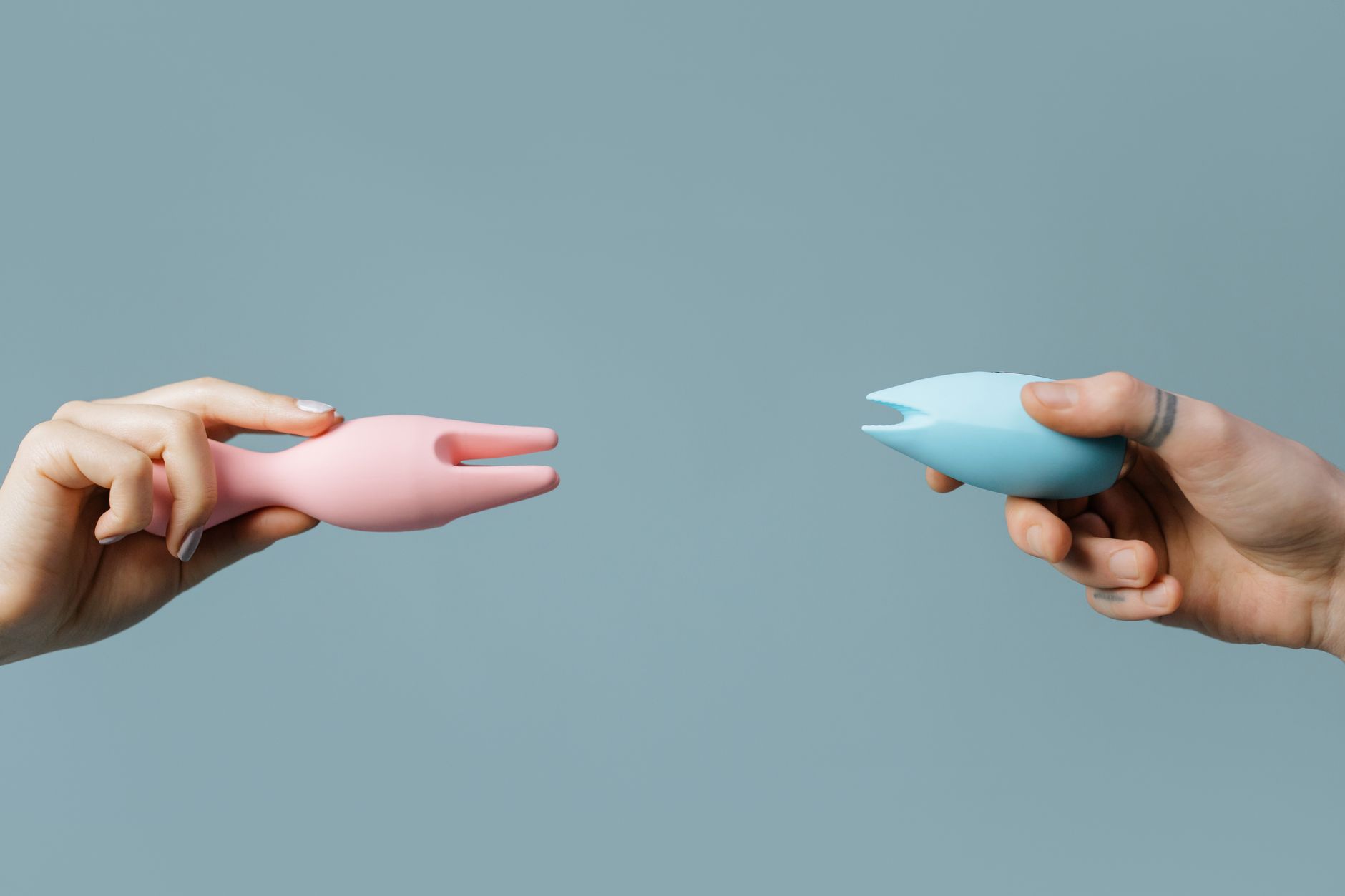
Photo by cottonbro studio on Pexels
Common roadblocks and what they actually mean
You start using your lemon clitoral vibrator and feel nothing. Many people interpret this as "I'm broken" or "I've lost my sexuality." What's actually happening: your brain is still allocating resources to grief processing. Pleasure sensation is being prioritized below survival and emotional processing. This is normal. It's temporary.
You feel arousal building and then suddenly panic. This is often your nervous system hitting a memory of intimacy with your ex. The suction feels good, then your brain associates pleasure with them, and your body shuts down. This isn't a reflection of your ability to feel pleasure independently. It's a connection your brain made that needs time to rewire. Keep going anyway. Exposure (in the gentlest way) is how you rebuild those pathways.
Orgasm feels muted, emotionally flat, or kind of sad. A significant percentage of breakup recovery involves grieving the loss of shared pleasure. That sadness isn't a sign to stop. It's actually part of reclaiming your pleasure as your own, not as something that only made sense within the relationship.
The role of environment and ritual
You cannot rebuild pleasure in the same bed, same room, or same routine where the relationship lived. Your environment holds memories. Your nervous system associates the space with what was lost.
Create a new pleasure space. A different room. A hotel. A friend's guest room. A camping trip. Somewhere your body has no history. Spend your first month of consistent self-pleasure practice in this new space. Your nervous system will learn: this touch, this pleasure, this is separate from the past.
Build a ritual that signals to your brain what's about to happen. Light a specific candle. Play a playlist you're creating new. Take a warm bath first. These signals help your nervous system downshift from survival mode into rest-and-digest mode, where arousal is actually possible.
When to pause and seek additional support
If pleasure practice triggers intense panic, intrusive images of your ex, or suicidal ideation, pause the practice and talk to a therapist. You're not ready yet, and that's okay. Your nervous system needs professional support first.
If you're using solo pleasure as a way to avoid grief rather than as a way to process it, you'll notice pleasure becoming obsessive or compulsive. Using a lemon vibrator for three hours daily to numb out is different from using it twice weekly as part of recovery. Check your motivation. If you're running from feelings, slow down.
If numbness persists beyond three months and doesn't improve with consistent practice, consider talking to your GP. Sometimes post-breakup depression requires additional support beyond self-care.
The deeper truth about reclaiming self-pleasure
Here's what I see happen repeatedly in my practice: when you rebuild pleasure independently after heartbreak, you don't just recover your sexuality. You change your entire relationship with desire. You learn that your body's capacity for pleasure is not contingent on being partnered. You learn that arousal is something you can create, regulate, and direct.
That changes everything about how you show up in future relationships. You're no longer trying to recapture something lost. You're building from a foundation of self-knowledge and self-pleasure that's genuinely yours. Your body becomes a source of power instead of a source of pain.
Using lemon vibrators during this recovery isn't indulgent. It's foundational therapeutic work.
FAQ: post-breakup pleasure and suction toys
How long does it usually take to feel pleasure again after a breakup?
Physically, your nervous system can rebalance in about six to eight weeks with consistent, gentle practice. Emotionally, grief follows its own timeline. Some people feel their pleasure returning before they've fully processed the loss. Others take months. There's no timeline you're falling behind. What matters is gentle consistency, not speed.
Should I use lemon vibrators if I'm still in contact with my ex?
No, not yet. Using pleasure toys while you're still emotionally entangled keeps your nervous system in a state of reunion fantasy. Your brain is still processing the relationship as ongoing. Wait until you've had a clean break (no texting, no social media, no "checking in") for at least four weeks before starting this recovery work. The boundary creates the safety your nervous system needs.
Can using a clitoral vibrator help me stop thinking about my ex during solo pleasure?
Not directly. Trying to use pleasure as a distraction from intrusive thoughts about an ex usually backfires. Instead, practice noticing the thoughts without engaging. "I'm thinking about them. That's normal. I'm here now. Back to sensation." This is meditation, not distraction. Over time, the thoughts become less intrusive on their own.
I felt arousal return, but it feels guilty. Is that normal?
Completely. Many people feel guilty about experiencing pleasure after heartbreak because there's an unconscious belief that if they're feeling good, they didn't love the person, or they're disrespecting the loss. This is actually grief talking, not truth. You can grieve someone and reclaim pleasure. Both are part of moving forward. The guilt will fade as the integration happens.
What if I'm afraid my body has "forgotten" how to respond to pleasure?
Your body hasn't forgotten. Your nervous system is temporarily prioritizing grief. Start with lower-intensity suction settings and longer warm-up times. Your body will remember. Consistency matters far more than intensity right now. Most people report that sensation returns more quickly when they're patient and gentle with themselves.
How do I know the difference between healthy self-pleasure recovery and avoidance?
Healthy recovery feels grounded in your body. You notice sensation. You might cry. You might feel nothing. All of that is information. Avoidance usually feels frantic, numb, or compulsive. You're using the toy to escape feeling rather than to reconnect with yourself. Check in: are you present in your body, or are you trying to leave it? That's the difference.
You're rebuilding, not returning
The pleasure you're recovering after heartbreak isn't the same pleasure you had before. It's deeper. It's more intentional. It's entirely yours.
If you're ready to start this work, go slow. Use a tool like lemon clitoral vibrators from Lemon Suction Toys that works with your nervous system instead of against it. Create a new space. Build a ritual. Show up consistently. Your body will heal. Not because pleasure makes heartbreak disappear, but because it proves to your nervous system that you're safe, you're whole, and your capacity for joy is still very much alive.