Birth control changes things. Not just your period, not just your skin. Your libido. Your arousal pattern. The kinds of touch that used to work. And somehow, nobody warns you about this until you're three months in and wondering if you've broken something about yourself.
Hormonal contraceptives (the pill, patch, ring, shot) lower circulating testosterone and increase sex hormone binding globulin, which means even the testosterone you do produce is less available to your brain and body. Testosterone isn't just about penetrative desire. It's the primary driver of spontaneous arousal, fantasy, and that initial spark of "I want this right now."
When it drops, you might notice:
Arousal takes longer to build (15-30 minutes instead of 5-10)
Spontaneous desire feels quieter or less frequent
Clitoral sensation might feel duller or more diffuse
Lubrication shifts, even though you're just as attracted to your partner
Orgasms might feel shallower or harder to reach
Here's what doesn't change: your capacity for pleasure, your ability to orgasm, or your actual desire for your partner. What changes is the chemistry getting you there. And that's fixable.
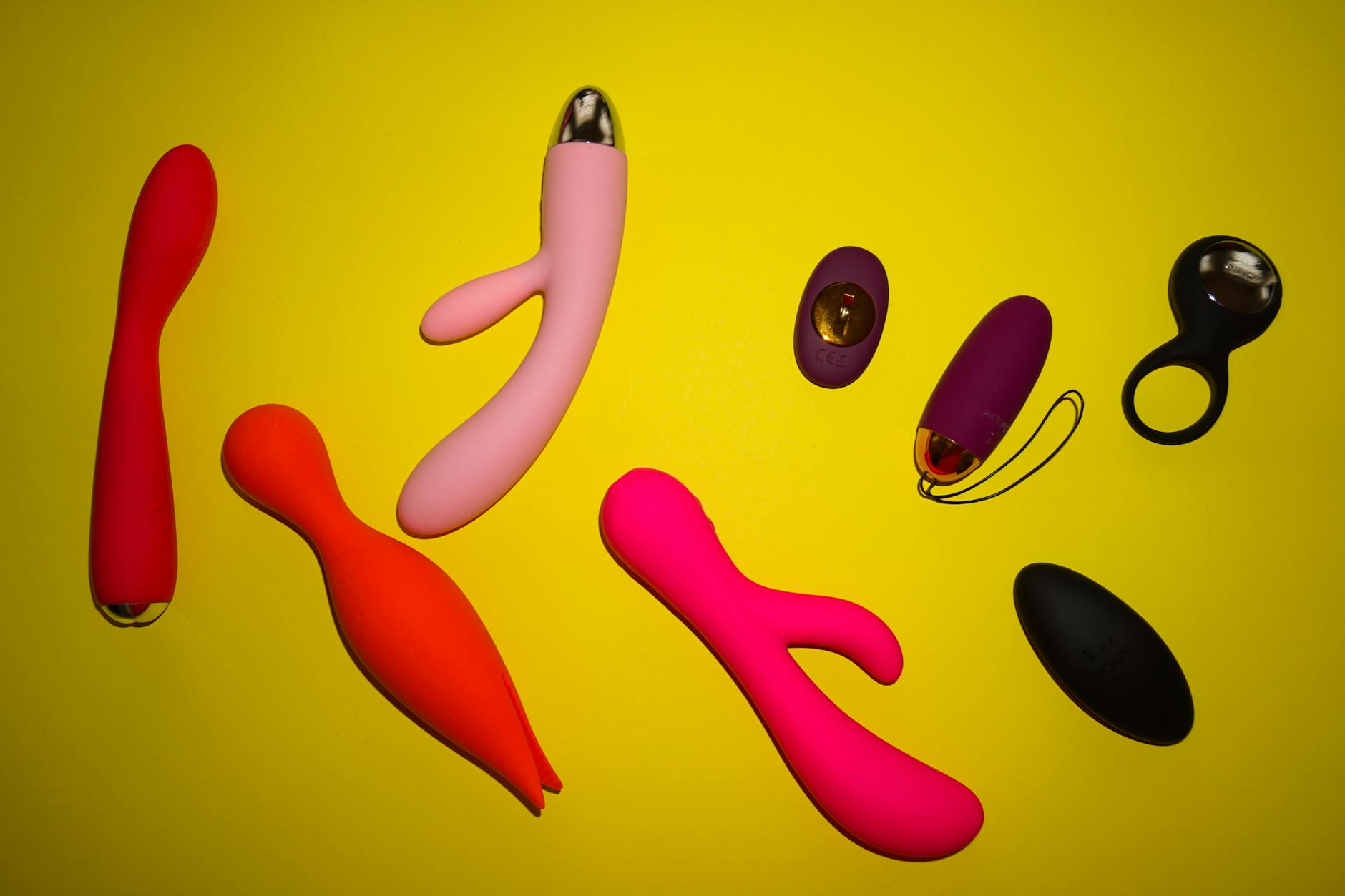
Traditional vibrators work through rapid oscillation. They demand a lot from the clitoris when hormonal changes have already made sensation feel muted. Lemon clitoral vibrators use gentle suction and pulsing patterns that don't require the same degree of clitoral responsiveness.
Think of it this way: if your clitoris is currently in a quiet mood, a suction vibrator wakes it up through indirect stimulation. It draws the tissue gently, creating waves of sensation rather than direct percussion. For people navigating hormonal shifts from birth control, this often feels less overwhelming and more pleasurable.
The Lem vibrator, for instance, offers multiple intensity levels and patterns that let you start low and build gradually. That pacing matters when your body needs more time to warm up.
Day 1-3: Solo exploration, no pressure. Use a clitoral vibrator on the lowest setting, 2-3 times a week, for 15-20 minutes. Don't expect an orgasm. You're re-learning what feels good. Start at your inner thigh, then move to the clitoral hood (not the clitoris directly yet). Notice what happens. Use water-based lubricant even though you might think you don't need it. The shift in sensation is clearer with lube.
Day 4-7: Intensity mapping. Same tool, same frequency, but now try patterns 1-3. Spend 2-3 minutes on each. You'll probably notice that one pattern feels "right" in a way the others don't. That's your signal. That pattern is your starting point for the next phase.
Expect this to feel mechanical at first. That's normal. Your nervous system needs time to rewire the connection between stimulation and pleasure when hormones have shifted the equation.
Once you've identified a pattern that works, extend your sessions to 25-30 minutes. Here's the sequence:
Minutes 0-10: Warm-up with fantasy, erotica, or partner touch (if you have a partner). Your brain is half of this equation. Testosterone might be lower, but neurological arousal still works.
Minutes 10-20: Use the lemon vibrator on your chosen pattern. Build intensity gradually. Move from the hood to the clitoris itself once things feel activated.
Minutes 20-30: Let sensation build. Stop and start. Change patterns. Explore the sides of the clitoris, which often have different sensitivity.
Many people notice that orgasms come easier during this phase, especially if they approach it as exploration rather than as "trying to fix myself." The distinction matters. Pressure kills arousal when hormones are already delicate.
Birth control often creates friction in relationships not because desire is gone, but because partners have different assumptions about what changed. Your partner might think you're losing interest. You might think they're being impatient.
Separate the two conversations:
Conversation 1: "My body is responding differently." Explain that birth control affected your timeline, not your attraction. Show them this is biological, not emotional. If you're comfortable, let them know you're exploring with a lemon vibrator to reconnect.
Conversation 2: "Let's adjust how we play together." Suggest longer foreplay. Ask for patience during warm-up. Mention that suction vibrators feel better right now than faster vibration. Make this collaborative. Your partner wanting to help is gold.
Many couples find that birth control forces them to actually communicate about sex in ways they never did before. The irony is real.
Hormonal contraceptives flatten the cycle, but they don't eliminate micro-fluctuations. Some days you'll feel more responsive than others. Track it. You might notice:
Days 1-7 of your pill pack feel lower-energy
Days 14-21 feel clearer, more responsive
The placebo week (if you take one) brings a small hormonally-driven dip then lift
Once you notice the pattern, schedule solo exploration during your more responsive days. This isn't about being "broken" on other days. It's about setting yourself up for success.
If your libido hasn't shifted after 6-8 weeks of using a lemon clitoral vibrator, and you're not seeing any improvement, it might be worth talking to your doctor or gynecologist. Some birth control methods affect desire more aggressively than others.
Progestin-only methods (mini-pill, hormonal IUD) sometimes have less impact on desire than combined hormonal contraceptives
If your current method was switched within the last 3 months, give it a full 3 months before deciding it's not working
If you're on something like the pill and desire is catastrophically low, other options exist (copper IUD, barrier methods, different pills with lower progestin)
Switching isn't failure. It's information. Your pleasure matters enough to optimize for it.
Here's what I see consistently: people who use lemon vibrators to reconnect with their own sensation, then bring that experience back to partnership, report the deepest pleasure they've experienced in years.
You learn what works. You show your partner what works. You ask for what you need. That foundation changes everything.
If you started birth control because you wanted to, that choice is still valid. Pleasure and contraception don't have to be in conflict. But they do require attention. A clitoral vibrator isn't a workaround for birth control's effects on desire. It's a tool for exploring what you still want, even when the chemistry has shifted.
Most people notice changes within 2-4 weeks, though some feel it immediately and others take 2-3 months to fully adjust. Your brain is reorganizing its hormonal baseline. If you're exploring with a lemon vibrator, give yourself at least 4-6 weeks of consistent use before deciding what's working and what isn't.
Often, yes, but not always. Non-hormonal methods like the copper IUD eliminate hormonal suppression of testosterone, which helps some people recover desire quickly. Hormonal IUDs (like Mirena) release lower systemic doses of progestin compared to the pill, so they sometimes have less impact on libido. But everyone's different. If you're considering a switch, talk with your doctor about libido specifically.
No. A clitoral vibrator is a tool for exploring sensation during a period of hormonal transition. You're not creating dependency. You're giving your body a chance to rewire arousal pathways while chemistry is in flux. Many people use them for a few months then return to solo play or partnered sex without them. Others keep using them because they're great. Both are fine.
It doesn't. It means your partner wants to explore pleasure with you. Birth control changed your arousal chemistry, and incorporating a suction vibrator is a way to adapt together. Frame it as an adventure, not a fix. That reframing changes everything about how it feels.
That's worth discussing with your doctor. Some people experience persistent libido suppression even after their body adjusts. Hormonal imbalances, depression, or relationship stress layered on top of birth control can create that. A doctor might suggest adding back a small amount of testosterone, switching methods, or exploring other factors. Pleasure is worth investigating.
Yes, and you don't have to work toward orgasm at all. Many people use clitoral vibrators purely for sensation exploration and arousal without aiming for climax. That's actually how I recommend starting when birth control has shifted what orgasms feel like. Pressure to come is the enemy right now. Pleasure without a goal is the goal.
If you're navigating libido changes after starting birth control, know that what you're experiencing is real, common, and addressable. Your body isn't broken. Your chemistry has shifted, and that requires a conversation with yourself about what pleasure looks like now. A lemon clitoral vibrator can be part of that conversation. So can patience, communication with your partner, and the willingness to explore something new. Start there.