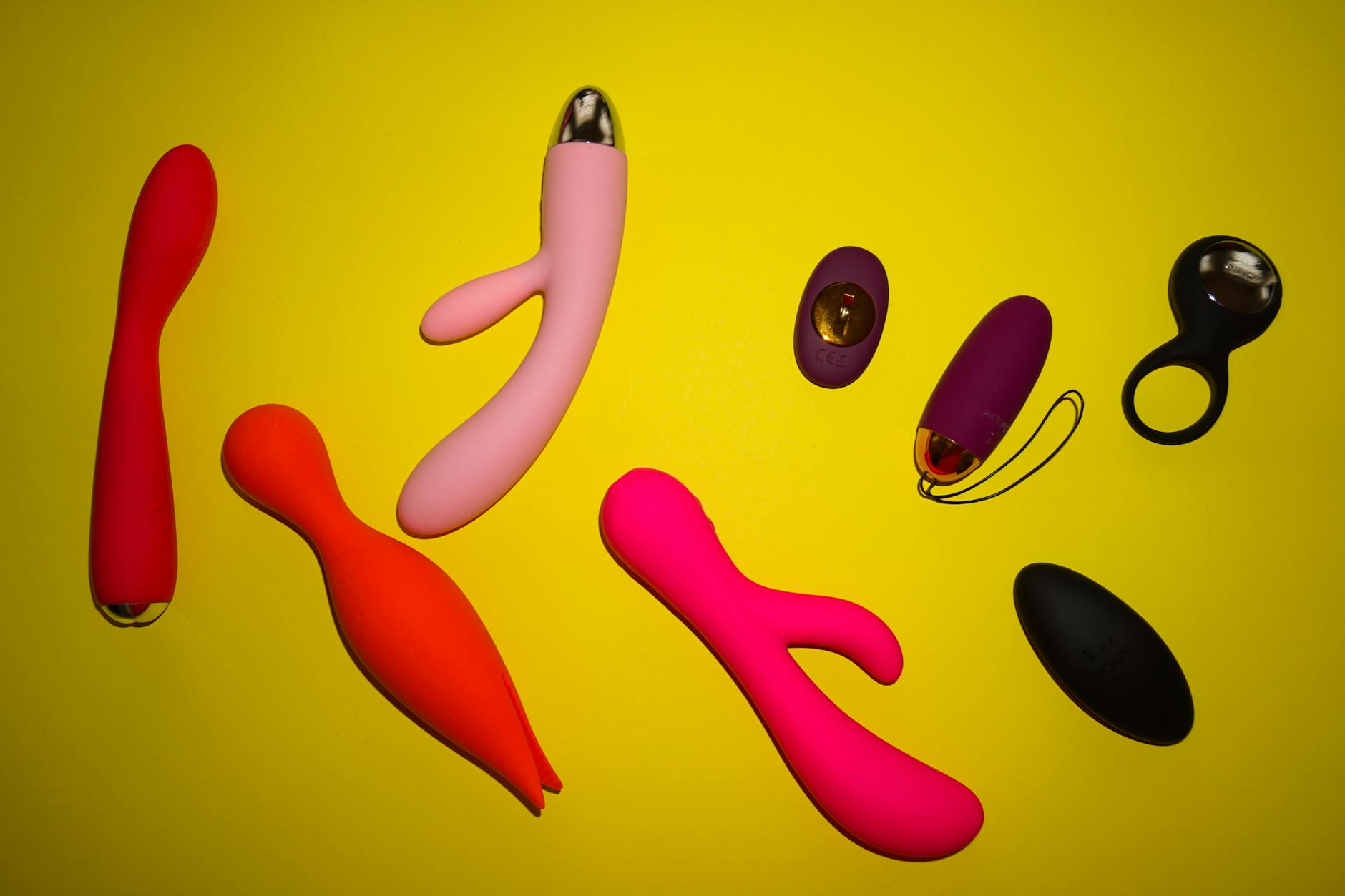
How to Use Lemon Vibrators After Starting New Medications
Your body's response to pleasure changes when medication changes. Here's what to expect, why lemon clitoral vibrators work better during transitions, and how to navigate it without shame or guesswork.
You started a new medication. Your body works differently now. That includes how it responds to pleasure, and that's not a failure on your part—it's chemistry. The frustration you're feeling is real, the changes are real, and so is the fix. Most people just don't talk about this part out loud, which makes it feel like a personal problem instead of a side effect.
I've worked with countless people navigating medication shifts, and the ones who feel best are the ones who stop waiting for their body to "go back to normal" and instead learn how to work with what they have right now. That's where lemon vibrators come in. They're engineered for exactly this moment in your life.
Different drugs do different things. SSRIs and SNRIs—antidepressants, anti-anxiety meds—numb genital sensation for about 40-60% of people who take them. Beta blockers slow blood flow, which slows arousal. Hormonal birth control can lower baseline testosterone. Blood pressure meds sometimes kill erection function. Antihistamines dry you out. Each one has a slightly different interference pattern with the nervous system and the physical mechanics of arousal.
Here's what matters: none of this means your pleasure capacity is gone. Your nervous system still lights up. Your brain still responds. The pathways are still there. What's changed is the speed and intensity of the signals traveling through your body—and that actually opens up new opportunities instead of closing them off.
Traditional vibrators rely on your body being sensitive enough to feel the vibration clearly. If medication has muted sensation, a regular vibrator becomes frustrating because you're chasing a stimulus that barely registers. You turn it up. Nothing. Turn it up more. Now it's almost too much, but you still can't quite feel it.
Lemon vibrators work differently. They don't vibrate—they pulse in a specific pattern that mimics natural clitoral suction, which stimulates deeper nerve structures that medication affects less directly. The suction mechanism creates sustained pressure rather than rapid stimulation, which means your nervous system has more time to register the signal even if sensation is dampened.
For people on SSRIs specifically, this matters wildly. The suction pattern of a lemon vibrator engages the parasympathetic nervous system differently than vibration does. You're not fighting numbness with more intensity. You're working around it with a completely different kind of touch.
Most medications stabilize their sexual side effects within 4-8 weeks of starting them, though some take longer. During that window, your body is recalibrating. Sensation might be foggy, arousal slower, orgasms harder to reach. This is not permanent, even though it feels like it might be.
That's when people often give up entirely or assume they'll never enjoy sex again. Wrong move. What actually helps is treating this like a recalibration period, not a diagnosis. Use a lemon vibrator during this time not as a workaround but as a tool for learning your body's new normal. You're not fighting medication. You're adapting to it.
Four things I recommend to almost every person navigating medication-related pleasure changes.
Start at the lowest setting and stay there for a while. With lemon vibrators, this means pattern 1 or 2. Spend two or three sessions just exploring what that feels like on your body. You're not trying to orgasm yet. You're mapping sensation. This takes pressure off and often brings pleasure back faster because you're not goal-oriented.
Give yourself 20-30 minutes minimum. Medication slows arousal, full stop. Budget the time. Rush and you'll feel nothing and blame yourself. That's not fair to your body or to the medication effect. Slow arousal isn't broken arousal.
Lubricate even if you think you don't need to. Some medications dry you out directly, some just slow the natural response. Either way, adding external lubrication removes friction, lets you focus on sensation, and often makes the difference between "I feel nothing" and "oh, there it is." Water-based works best with lemon clitoral vibrators.
Separate the medication conversation from the relationship conversation. If you're with a partner, they need to understand this is medication, not them, not your desire for them. That's a different talk than "let's try this new toy." Don't let your frustration about side effects leak into intimacy conversations. They're separate problems.
Medication shame is real. You're on this medication because you need it—for depression, anxiety, heart health, whatever. And now you're angry at it because pleasure got harder. That's normal. But a lot of people flip that into "I should stop taking it," which is dangerous thinking.
Here's the truth: pleasure matters. Mental health also matters. You don't have to choose. You just have to get honest about what's changed and adapt instead of white-knuckling and pretending nothing's different.
That's where lemon vibrators help beyond just the physical. Choosing a tool that's specifically designed for situations like this sends a message to your brain: "My pleasure still counts. My body is worth understanding. I'm not broken." That mental shift actually speeds up sensation recovery in a lot of cases.
If it's been 8-10 weeks and pleasure hasn't started returning, bring it up. Some doctors will adjust dosing (sometimes lower helps), switch medications (different SSRIs have different sexual side effect profiles—sertraline is usually gentler than paroxetine), or add something to counteract it (bupropion is sometimes added to SSRIs specifically because it restores sexual function).
Don't suffer quietly hoping it gets better. That's not brave. That's just wasting time when there are actual solutions.
Most people start feeling genuine improvement in sensation and arousal by week 6-10 if medication stabilizes well. Some feel better by week 4. Some take 12 weeks. Your nervous system has its own pace.
What usually happens: first, sensation starts to return in small ways you'll almost miss. Then arousal time shortens. Then orgasms become reachable again. Then they get stronger. This isn't linear. You'll have good days and flat days for a while.
Using a lemon vibrator during this progression actually helps your nervous system learn its new baseline faster because you're creating consistent, clear stimulus signals. It's like you're teaching your body what pleasure feels like in its new medication state, and it learns.
For most people and most medications, yes—it comes back. Usually fully, sometimes even better. The nervous system is adaptive. Once it adjusts to the medication (which takes weeks), sexual response usually restabilizes. That said, some people do find permanent shifts—not loss of pleasure, but a different texture to it. That's not tragedy either. It's just different.
Not even slightly. Honestly, lemon vibrators are some of the most useful tools for people whose medication has changed sensation. You're not fighting the medication. You're optimizing how your body experiences pleasure within the new neurochemistry. That's smart, not weird.
Yes, if you want to. Keep it separate from the sex talk, though. "I'm dealing with a medication side effect, so I'm using this tool to help my body adjust" is useful information. "I need this because you're not enough anymore" is a completely different conversation and not actually true. Be clear about which one it is.
No. Don't do this. Skipping doses can destabilize the medication's effectiveness and create rebound symptoms that are worse than the original side effect. The medication is working for your mental health. That matters more than a single sexual encounter. Work with it instead.
Timeline. If pleasure was fine before you started the medication and changed immediately after, it's the medication. If it happened gradually or other things in your life are stressful, it might be mixed. Either way, a lemon clitoral vibrator helps—it's designed for situations where sensation needs recalibration.
Talk to your doctor. Seriously. Sometimes medication combinations can be adjusted. Sometimes adding something helps counteract the cumulative effect. Sometimes it's just about being patient while multiple medications stabilize (which takes longer). You're not stuck with this forever even if it feels like it now.
Medication-related pleasure changes are temporary in most cases and manageable in all cases. Your body isn't broken. Your desire isn't gone. The neural pathways are still there. You're just working with a slightly different set of chemical conditions, and lemon vibrators are specifically engineered to work well within those conditions. Use that tool. Be patient with your body. Talk to your doctor if weeks pass without improvement. And stop treating this like a personal failure. It's just biology adjusting to chemistry. You've got this.
If you're feeling lost about how to start exploring pleasure again during medication transitions, that conversation is worth having. Reach out, and let's talk through what's realistic for your body right now.