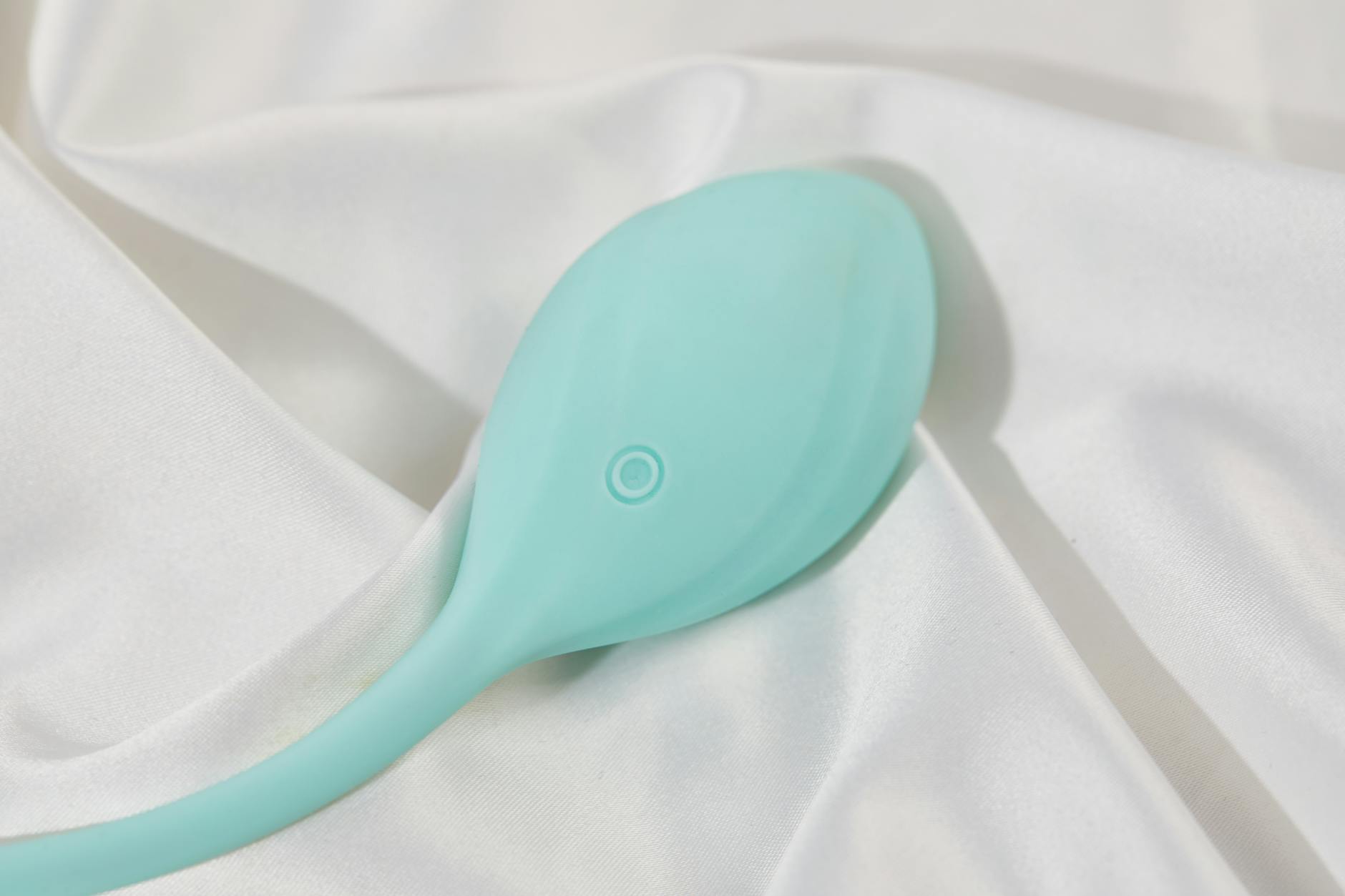
How to Use Lemon Vibrators for Better Sensation When You're Used to Traditional Toys
The switch from traditional vibrators to lemon clitoral vibrators isn't just a upgrade. It's a completely different neurological experience. Here's what changes and how to make it work for you.
Let's be real. If you've spent years with a traditional vibrator, switching to a lemon clitoral vibrator can feel genuinely jarring at first. Not bad. Just different. The sensation isn't stronger exactly. It's sharper, more localized, weirdly more intimate even though you're using a toy. And if nobody told you what to expect, that difference can feel confusing.
I work with a lot of people making this switch, and the pattern is always the same. Week one feels weird. Week two, you start experimenting with the settings. By week three, you're wondering why you didn't make the change sooner. Here's how to compress that learning curve.
Traditional vibrators shake. They vibrate across a wider surface area, which stimulates the whole vulva and surrounding tissue. Lemon sexual toys like the Hello Nancy clitoral vibrator use suction and pulsing to create a different effect. Instead of shaking laterally, they create a gentle pulling sensation that targets the clitoral head and frenulum with precision.
Your clitoris has roughly 8,000 nerve endings. Traditional vibrators activate a broad section of those nerves all at once. Suction stimulation engages them differently, concentrating the sensation in a tighter zone. This is why people often describe lemon vibrators as feeling more intense even though the motor power might actually be lower.
The other factor is pattern. Traditional vibrators usually offer steady buzz at various speeds. Lemon adult toys typically include pulse, wave, and suction-release patterns that create rhythm and anticipation. Your nervous system responds to that variability differently than it does to monotonous vibration.
Day one, you're probably going to dial it down. The sensation concentrates so much that your instinct is to lower the intensity. Do that. Start at level 2 out of 5, even if you usually used level 4 with traditional toys. Suction toys deliver sensation more efficiently, so your baseline needs recalibration.
Use a water-based lubricant even if you never needed one before. The seal matters with lemon clitoral vibrators. Without good contact, you lose the suction effect and just get vibration, which misses the whole point. A dime-sized amount is enough.
Position matters more than it did before. With traditional vibrators, you could press and wiggle and still get stimulation. With suction toys, the positioning has to be more precise. The opening of the toy needs to make a seal with your clitoris. Experiment with angling it slightly different ways until you find the sweet spot. Usually it's straight on or tilted slightly toward the body.
Your brain is going to feel like something's wrong the first few times. That sensation concentration feels almost alien if you're used to diffuse vibration. Stick with it for at least three solo sessions before you decide it's not for you. The novelty spike wears off fast, and then you can actually feel what's happening.
Most lemon vibrators come with 5 to 10 different patterns. Resist the urge to cycle through all of them immediately. Pick two patterns you actually like and practice with those for a week. Let your body learn what each one does.
I usually recommend starting with a steady pulse pattern to build baseline arousal, then switching to a wave or suction-release pattern once you're already partially there. This creates a progression that feels more interesting than starting at maximum complexity. Your body has an easier time building toward something than it does accepting jarring shifts.
The suction-release patterns are often the most intense because they create that pulling sensation people talk about. If those feel overwhelming at first, just use the standard suction or steady pulse mode. You're not failing. You're finding your entry point.
Traditional vibrators are pretty forgiving about placement. Lemon adult toys need precision. Spend your first few sessions mapping your anatomy with the toy off, just feeling where feels best. Everyone's clitoris is slightly different in terms of angle, how internal or external it sits, and how sensitive the glans versus the shaft is.
Some people find that a slight angle toward the mons pubis works better. Others prefer dead-on pressure. A few people get the best sensation tilting the toy back toward the perineum. None of these is wrong. The toy is just responsive enough that you can actually feel the difference.
Tilt flexibility also matters for partner play. If you're using lemon vibrators with a partner, angling gives you more range for sensation play and easier access during penetration if that's part of your routine.
Here's something that surprises people. Orgasms with lemon vibrators often happen faster than they do with traditional toys. This isn't because the sensation is stronger. It's because it's more efficient. Your nervous system doesn't have to work through as much diffuse stimulation to reach threshold.
If you're used to 15 to 20 minute sessions, plan for 10 to 15 with lemon clitoral vibrators. This isn't a race. It's just how the neurological math works out. Some people find this amazing and freeing. Others feel like they're missing part of the buildup. If you're in the second camp, slow down intentionally. Use lower pattern levels even when you could go higher. Extend your warm-up time before you introduce the toy. The experience is yours to shape.
If you usually use traditional vibrators during partnered sex, the transition to lemon sexual toys works best when you talk through expectations first. Lemon vibrators create a more localized sensation, which means your partner might feel more of a difference in how your body responds. You might also reach climax faster, which could change the dynamic if you're used to a certain rhythm together.
The good news is that the precision of lemon clitoral vibrators actually makes them easier to use during penetration. They don't vibrate the whole vulva so they create less external distraction for your partner. Some couples find partnered pleasure actually improves after the switch because the sensation concentration creates more distinct arousal signals.
Wait at least two weeks before experimenting with higher intensity levels on your lemon vibrator. By then, your body has adapted to the sensation profile and you can actually tell the difference between "this is new" and "I actually like higher intensity."
Most people find their sweet spot between level 3 and level 5 on a 5-level toy. If you're still maxing out at level 2 after three weeks, you might want to revisit positioning or lubrication. Sometimes what feels like low sensitivity is actually poor seal or slight misalignment.
If the sensation feels too concentrated or almost uncomfortable, you're either using too much intensity too fast or the positioning needs adjustment. Lower the level by one and try angling the toy slightly differently. That usually fixes it.
If you're not feeling much of anything, check your lubrication first. A sealed suction toy without adequate lube is basically just a low-power vibrator. Add more lube. If that doesn't help, try the next intensity level up. Some people's bodies just need a little more stimulation to feel the difference.
If you feel numbness or desensitization after using a lemon vibrator, you're probably using it too intensely or too frequently. Back off to lower levels and give yourself rest days. This is actually a sign that your body is responding really well to the sensation. Too much of a good thing still counts as too much.
People who stick with the transition usually report that their orgasms feel different. More acute. More localized to specific nerves instead of broad sensation across the whole vulva. For a lot of people, this means more intense climaxes. For others, it means more control over the sensation and exactly where and how they're stimulated.
You also get more range of sensation because the patterns are more varied. Traditional vibrators do vibration. Lemon clitoral vibrators do suction, pulsing, waves, and suction-release. That variation itself becomes a pleasure tool. Your body doesn't habituate as quickly to something that's constantly changing pattern.
If you've been using traditional toys for years and wondering whether your pleasure capacity is just plateauing, a lemon vibrator often feels like permission to experience something completely new. It usually isn't a capacity issue. It's a stimulus novelty issue. You're not broken. You just needed a different tool.
Yes, usually. The suction mechanism needs a seal, and that works better with lubrication. You don't need a lot. A thin layer of water-based lube makes a huge difference in how the toy feels and functions. Even people who naturally self-lubricate plenty often benefit from adding a little extra.
Most people adapt within two to three weeks of regular use. Week one feels strange. Week two, you start understanding the patterns. By week three, you usually know whether it's working for you or not. Some people feel the difference immediately and love it from day one. Others need more time. Both are completely normal.
Absolutely. Lemon sexual toys are actually great for partnered play because they create a localized sensation that doesn't interfere with penetration or partnered sensation the way some traditional vibrators do. Just make sure you've practiced solo first so you understand your own response and positioning.
Try lower intensity levels first. If that doesn't help, check your positioning and lubrication. Sometimes what feels uncomfortable is actually a positioning issue or inadequate seal. You might also just need to use the toy less frequently to let your tissues adjust. If it stays uncomfortable after two weeks, it might not be the right toy for you, and that's okay.
Because they work completely differently. Traditional vibrators create intensity through speed and power. Lemon vibrators create intensity through precision and pattern. What feels "less intense" might actually be more stimulating at a neurological level. Give it three weeks of regular use before you judge intensity. Your brain needs time to recalibrate what intensity actually means in this context.
You should feel clear sensation without pain or numbness. If you feel sharp discomfort, lower the level. If you feel nothing, raise it or check your positioning and lubrication. Your sweet spot is usually where you can feel distinct sensation that makes your nervous system respond, but not so much that you need to brace against it.
If you're making the switch from traditional vibrators to lemon vibrators, go into it knowing the first week is an adjustment period, not a judgment period. Your body needs time to learn a new sensation profile. Once you get past that adjustment hump, you usually find that lemon clitoral vibrators offer pleasure that feels fresh in a way traditional toys stopped feeling years ago.
The fact that you're curious enough to try something different? That matters. Your pleasure capacity isn't fixed. It expands with novelty, precision, and tools that actually match your body's neurology. If you have questions about which lemon vibrator might work best for you or you want to talk through your transition, reach out. I'm here to help you figure this out.