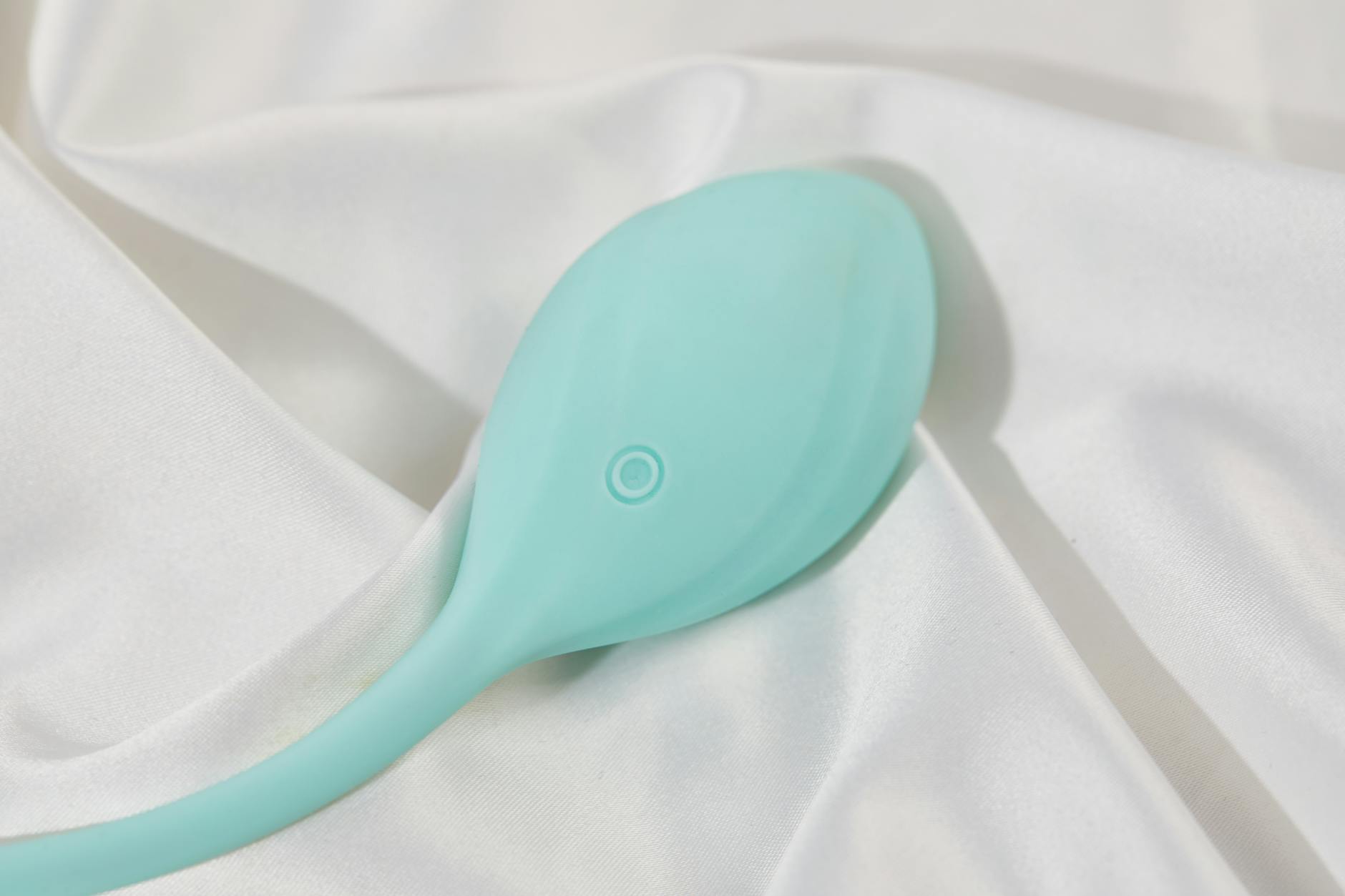
How to Use Lemon Vibrators for Stronger Orgasms After Antidepressants
Antidepressants save lives. They also flatten sensation. Here's what's actually happening, why lemon sexual toys work differently, and how to rebuild pleasure on your terms.
Antidepressants work. They lift the fog, steady the spiral, make mornings survivable. But they also do something else: they flatten sensation across the board, including sexual sensation. It's not in your head. It's not a side effect to just push through. And it's not permanent, though the timeline depends on the drug, your body, and how long you've been on it.
Here's what I want you to know upfront: restoring pleasure after antidepressant-induced numbness is absolutely possible. But it requires different tools and a different approach than what probably worked before.
Most SSRIs (selective serotonin reuptake inhibitors) work by keeping serotonin circulating in your brain longer. That's the therapeutic effect. The side effect is that serotonin also dampens dopamine and norepinephrine, the chemicals that drive arousal, desire, and the intensity of physical sensation. It's like turning down the volume on the entire nervous system.
This doesn't mean you can't feel pleasure. It means the signal gets quieter. A touch that used to spark a chain reaction now barely registers. An orgasm that used to hit like lightning feels more like a gentle wave, if it comes at all.
For some people it takes weeks to adjust. For others it's months. And yes, some people find that the trade-off is worth it. Mental health first. Pleasure can wait.
But here's the thing: pleasure doesn't have to wait. It just needs a different strategy.
Lemon vibrators use suction and pulsing instead of traditional vibration. This matters because the clitoris responds to stimulation via pressure and suction differently than it does to simple buzzing. When your nervous system is already quiet, you need a louder signal.
Suction activates deeper nerve pathways. It's more of a pull than a tap. That difference becomes everything when sensation is muted.
I've worked with clients who said nothing worked after starting antidepressants. Then they tried a lemon vibrator and felt actual sensation for the first time in months. Not because it's magic. Because it's targeting the nervous system through a different mechanism.
If you're just starting a lemon vibrator after antidepressants have flattened sensation, expect three phases.
Phase one: detection (weeks 1-2). You're just trying to feel something. Start at the lowest setting. Hold it there for 30 seconds, then stop. The goal isn't orgasm. It's noticing any sensation at all. That's a win.
Phase two: response (weeks 3-6). Your body starts recognizing the signal. You might get aroused for the first time in months. It might feel different than it used to. Shorter, shallower, delayed. That's normal. Your nervous system is waking up. Give it space.
Phase three: return (weeks 6-12). Orgasm starts feeling like orgasm again. Not instantly, not always on command, but the intensity is climbing back. Some people hit this phase faster. Some take longer. Antidepressant medications vary wildly in how aggressively they suppress sensation.
The key is not comparing your timeline to anyone else's. Your chemistry is yours.
Most lemon vibrators have three to five intensity levels. Here's how to think about them when you're recovering sensation.
Start at level one, always. Your nervous system is already muted. You're not looking for maximum stimulation right now. You're looking for clear signal. That's level one.
Stay there for a week minimum. I know that sounds impossibly slow. Do it anyway. This is rewiring.
Move to level two when you start feeling anticipation. Not orgasm yet, just anticipation. That's your nervous system recognizing what's about to happen. Good sign.
Level three is where most people find their pleasure lives when they're recovered. But don't live there yet. Keep rotating between levels two and three for a few weeks.
Levels four and five are optional. Some people never go there. Some people use them once sensation is fully restored and they're chasing intensity again. Both are fine.
If you have a partner, this is worth discussing before you start. Not because you're broken, but because your timeline matters and so does theirs.
Antidepressants are individual. Your partner might have zero understanding of why you suddenly can't reach orgasm, or why it takes longer. That confusion can breed resentment disguised as concern.
The conversation you want to have isn't about blame. It's about reality: "My medication is flattening sensation right now. I'm working on rebuilding that. It's going to take time. This isn't about you or what you're doing. Here's what helps me."
Then tell them what helps you. Solo time with a lemon vibrator. Longer foreplay. Different touch. Lower expectations about orgasm for a while. All of this is legitimate.
Many couples find that this phase actually deepens connection. You're not performing. You're rebuilding together. That's different work, and often better work.
If sensation has completely returned after three months and you're still struggling with intensity or desire, mention it to your doctor. There are options: dose adjustments, switching medications, adding something else to counteract the side effect.
Augmentation with bupropion is common. It works on dopamine and norepinephrine, the chemicals SSRIs suppress. A small addition of bupropion can sometimes restore sensation without compromising the antidepressant effect.
Timing medication doses differently can also help. Some people take their SSRI at night instead of morning, so the muting effect is strongest when they're asleep. Others take it after their window of solo time.
None of this means you're failing or that your medication isn't working. It means you're being smart about balancing mental health with physical wellness.
This is the hardest part, honestly. You want sensation back now. Your brain wants pleasure back now. But your nervous system is still settling into the medication. Rushing it doesn't speed it up. It usually just increases frustration.
The best thing you can do is separate desire from expectation. Use your lemon vibrator as a way of saying hello to your body again, not as a performance test. Some sessions, sensation will be clear. Some sessions, it'll be quieter. Both are data. Neither one means you're stuck.
Most importantly: this is temporary. The goal isn't to accept numbness forever. The goal is to rebuild sensation on a different timeline than you expected. A lemon clitoral vibrator can help compress that timeline because the mechanism is different. But patience is the actual medicine here.
Timing usually tells you. If sensation was normal before you started the medication and flatlined after, it's the medication. If numbness came on gradually over months or years, it might be other factors: stress, hormonal changes, relationship dynamics, or physical health issues. Both things can be true. The smartest move is to talk to your prescriber about timing and also get a basic physical exam to rule out anything else. Numbness has many causes. Most are fixable.
You could, but it's worth having a longer conversation with your doctor first. Some SSRIs affect sensation less than others. Sertraline tends to be gentler on libido than paroxetine. Bupropion (an NDRI) might have less impact on sensation. But switching medications means potentially losing ground on your mental health while your brain adjusts to the new chemistry. Usually it's worth trying to restore sensation first, then considering a switch only if that doesn't work.
No. Overuse can actually create numbness from overstimulation. Three to four times a week is the sweet spot when you're recovering. That gives your nervous system time to integrate what's happening without fatiguing it. Once sensation is back, you can use any toy as much as you want. For now, patience beats frequency.
First: give it two weeks minimum. Your body might not be recognizing the signal yet. If after two weeks you feel absolutely nothing, it might mean either the medication is suppressing sensation more heavily than usual, or there's something else going on (past trauma, pelvic floor tension, nerve issues). Neither of these is permanent. Talk to your doctor about the timeline. Some people need a full month before sensation starts returning. Others need different medication. There's no shame in that.
Completely normal. Antidepressants change the neurochemistry of how pleasure is processed. Your body learned to have orgasms under one neurochemical state. Now it's learning again under a different state. Some people find that post-medication orgasms are actually better. Some find they're shorter. Most find they're just different, and it takes a few weeks to learn the new pattern. You're not broken. You're just recalibrating.
Both work. Solo use of a lemon vibrator gives you data about what your nervous system actually needs without the pressure of performing for someone else. Partner use, once sensation is returning, can rebuild intimacy. The ideal is usually both: solo exploration for a few weeks while you're figuring out sensation, then gradual reintroduction of partnered activity as you rebuild confidence. You deserve pleasure either way. Choose what feels safe.
Antidepressants suppress sensation. That's real. That's not weakness or broken attraction or anything wrong with you. It's chemistry. But sensation can come back, and it often comes back faster with the right tool. A lemon clitoral vibrator works differently than traditional vibrators, and that difference can be everything when your nervous system is quiet. Give it time. Give yourself patience. Your pleasure matters. It's worth rebuilding on your timeline.
If you want to explore what tools might work best for your body and timeline, reach out to our team. Or check out our buying guide for more on choosing the right device for your specific situation.
Your nervous system is learning again. That's not nothing. That's brave.