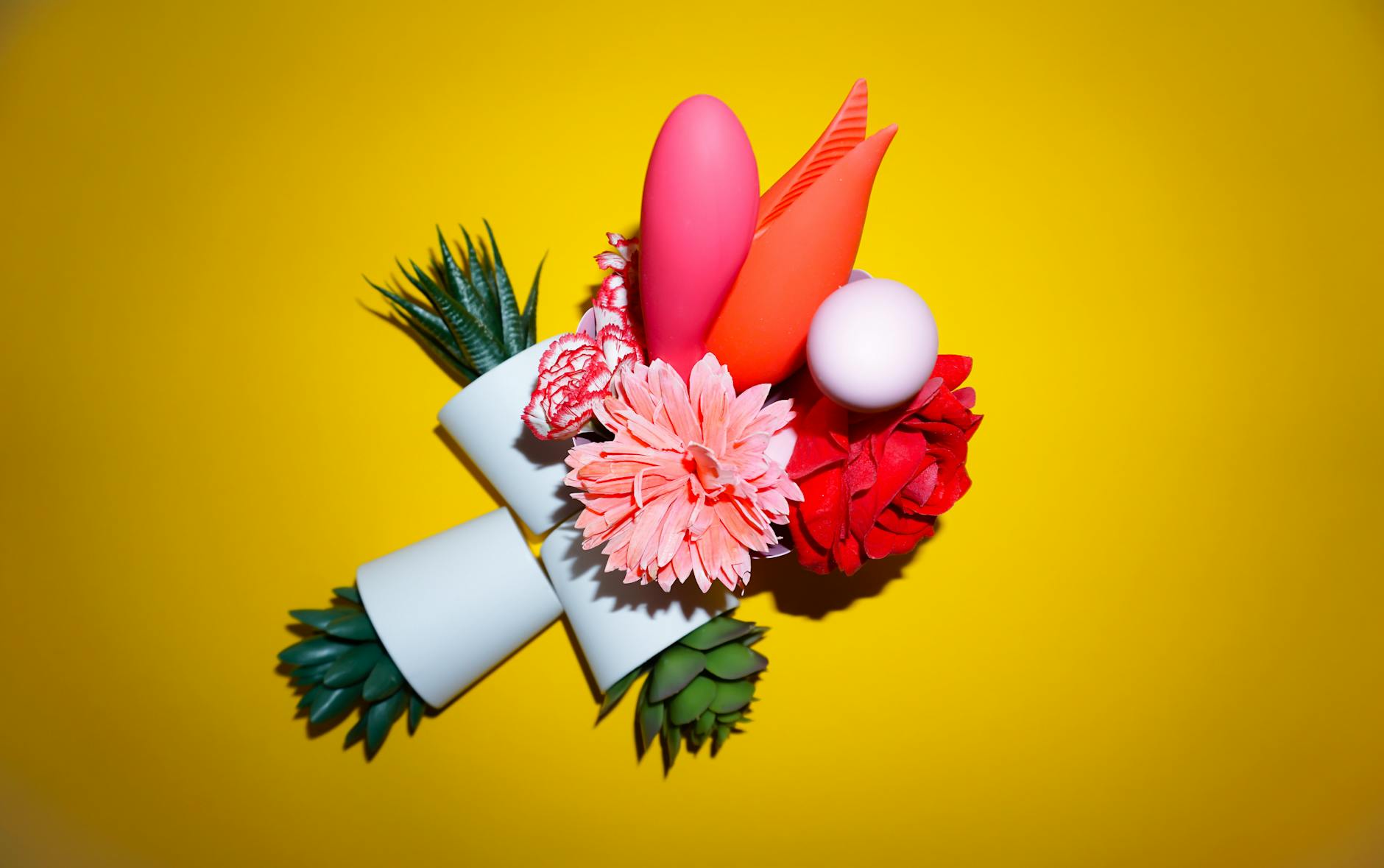
The reality of hypersensitivity and lemon vibrators
Let's be real. You don't have a broken body. High sensitivity is a nervous system trait, not a flaw. The problem isn't your clitoris. It's that most vibrators are designed for people with average sensation thresholds, which means they buzz at intensities that feel like too much, too fast.
A lemon clitoral vibrator changes this equation because of how it works. Instead of direct vibration against sensitive tissue, the suction and pulse pattern spreads sensation across a wider area. This matters enormously if you're hypersensitive. The good news? You can use a lemon vibrator successfully. You just need a different approach.
What hypersensitivity actually is
Hypersensitivity isn't one thing. It shows up differently depending on whether you're dealing with physical sensitivity (your clitoris hurts or feels overwhelmed with direct touch), emotional sensitivity (anxiety spikes when you're trying to relax), or neurological sensitivity (your nervous system stays activated longer than average).
Some people are hypersensitive in all three ways. Others experience it in just one. Understanding which applies to you changes everything about how you'll use any toy, including a lemon vibrator.
Physical sensitivity means light touch feels intense or even painful. The clitoris has roughly 8,000 nerve endings packed into a tiny area, so this is common and totally normal. Emotional sensitivity often shows up as anxiety during solo play, worrying about being "too loud" or "taking too long." Neurological sensitivity means your body takes longer to calm down once stimulated. You might find that even after an orgasm, you feel jittery or overwhelmed for 20 minutes afterward.
Why lemon vibrators work better for sensitive systems
Here's the mechanical advantage. A traditional vibrator sends rapid oscillations directly into tissue. A lemon clitoral vibrator uses suction and gentle pulsing to create sensation without direct friction. For hypersensitive people, this is the difference between a jackhammer and a massage.
The suction pattern also means you can control pressure by adjusting how firmly you hold the toy against your body. You're not stuck with whatever the vibration setting delivers. This control is crucial for anyone whose nervous system gets overwhelmed.
Another reason lemon vibrators work well for sensitive people is the diffused stimulation pattern. Instead of one intense point of sensation, you're getting distributed sensation across the external clitoris and surrounding tissue. This often feels more manageable, even at higher settings.
Start with the lowest setting and stay there
This is not negotiable. Pattern 1 and 2 exist for a reason. If you're hypersensitive, your entry point is pattern 1. Spend entire sessions, maybe several sessions, learning what pattern 1 feels like.
Don't think of this as "settling" or "not getting enough stimulation." You're training your nervous system to recognize pleasure without overwhelm. That's the actual goal. Once your body knows what pattern 1 is and feels safe with it, advancing is easier.
Many hypersensitive people find that pattern 1 or 2 is genuinely sufficient for orgasm. This isn't unusual. Your sensitivity is an asset here. The toy doesn't need to work harder. You need to relax more.
The distance and angle game
You don't have to use a lemon vibrator directly on your clitoris. In fact, if you're hypersensitive, you shouldn't start there. Try holding the toy an inch or so away, letting the sensation reach you indirectly. This sounds weird, but it genuinely works. The stimulation is present, but muted.
Angle matters too. Approach from the side rather than dead-on. Press gently against the mons pubis (the area above the clitoris) instead of the clitoral head itself. Move the toy to different areas of the external vulva. The sensation will feel different depending on where you place it, and you'll find zones that feel manageable.
Some hypersensitive people prefer stimulating the clitoral shaft rather than the glans. Others find that the labia minora or the area between the clitoris and entrance to the vagina responds better. This is totally individual. The point is to explore what feels okay, not just what feels intense.
Lubrication isn't optional
Lube reduces friction, which means it reduces overwhelming sensation. Use a generous amount. A water-based lubricant is ideal because it's compatible with silicone toys and doesn't degrade the surface. Lubrication also helps the suction function smoothly.
Think of lube as your nervous system's ally. It's not a sign you need it. It's a tool that makes the experience more sustainable and more pleasurable. Full stop.
The timing and environment piece
Hypersensitivity often gets worse when you're stressed, tired, or anxious. Your nervous system's baseline is already elevated, so any additional stimulation feels like too much. This means timing matters.
Build in a genuine wind-down period before solo play. Fifteen to 20 minutes minimum. Take a warm shower. Light a candle. Do some gentle stretching. Tell your nervous system it's safe to be present. This preparation isn't luxury. It's functional.
Environment matters too. Make sure you're warm, safe, and not going to be interrupted. Hypersensitive nervous systems are hypervigilant. If part of your brain is listening for footsteps or worrying about privacy, you're starting at a disadvantage. Eliminate that distraction.
Managing overwhelm in the moment
If sensation becomes overwhelming while you're using a lemon vibrator, stop immediately. There's no prize for pushing through. Turn off the toy, take some deep breaths, and let your nervous system settle.
If this happens repeatedly, you're likely trying to progress too quickly. Go back to pattern 1. Use more distance. Use more lube. Change the angle. One of these variables is the culprit, and you'll find it by adjusting systematically.
Some hypersensitive people find that pausing for 30 seconds helps. Stop the toy, breathe, feel the sensation settle, then resume. This rhythm can prevent overwhelm from building.
The emotional piece matters as much as the physical
A huge portion of hypersensitivity is anxiety about sensation itself. You might be worried that stimulation will feel bad, or that you'll get overwhelmed, or that something's "wrong" with you. That anticipatory anxiety tenses your muscles and makes everything feel more intense.
This is where the real work happens. If you're hypersensitive, spend time building a story where pleasure is safe and accessible to you. Solo play with a lemon vibrator isn't a pass/fail test. It's an experiment. The goal is to learn what feels sustainable for your body, not to achieve orgasm on a timeline.
Many hypersensitive people discover that removing the pressure to orgasm entirely makes pleasure accessible for the first time. Your clitoris doesn't care if you come. It cares if the stimulation feels safe and interesting.
When to seek additional support
If hypersensitivity is linked to past trauma or anxiety disorder, a sex-positive therapist or somatic practitioner can help rewire your nervous system's response to touch. This isn't about fixing you. It's about expanding your window of tolerance so pleasure becomes more available.
If physical hypersensitivity is severe (light touch causes pain), that's worth discussing with a gynecologist. Conditions like vulvodynia or pudendal neuralgia are real and treatable. A lemon vibrator can still work in these cases, but it's helpful to have professional context.
FAQ
Can you use a lemon vibrator if you have vulvodynia or hypersensitive skin?
Yes, carefully. Vulvodynia involves chronic pain in the vulvar region, and hypersensitive skin reacts intensely to touch. A lemon vibrator's dispersed, gentle stimulation pattern is often more tolerable than traditional vibrators. Start with the lowest setting, use significant distance between the toy and your body, and generous lubrication. The key is to introduce sensation gradually and stop if pain appears, not just intensity. Many people with vulvodynia find that a lemon vibrator actually helps desensitize over time because the pattern is less triggering.
Is there a difference between physical overwhelm and anxiety-based overwhelm?
Completely. Physical overwhelm is when the sensation itself feels like too much. Your nervous system is flooded. Anxiety-based overwhelm is when your brain is creating stories about the experience feeling bad before it happens. Both feel similar in the moment, but they need different solutions. Physical overwhelm often improves with lower intensity, more lubrication, and better angles. Anxiety-based overwhelm improves with slower progression, building safety, and removing performance pressure. You might experience both at different times.
How long does it take for hypersensitive nervous systems to adjust to a lemon vibrator?
It varies widely. Some people feel comfortable exploring higher settings within a few sessions. Others spend months with pattern 1 and that's perfect. There's no timeline. The adjustment happens when your nervous system decides it's safe, not when you think it should be ready. Pushing the timeline usually backfires and creates more sensitivity, not less.
What's the difference between using a lemon clitoral vibrator and a traditional vibrator if you're sensitive?
The suction pattern spreads sensation across a larger area instead of concentrating it in one point. This typically feels more manageable for sensitive people. Traditional vibrators also tend to have fewer subtle intensity settings, so the jump from one level to the next can feel huge. A lemon vibrator gives you more granular control and a gentler progression. That said, some hypersensitive people do better with a different toy design entirely, which is why exploring what works for your specific nervous system matters.
Can hypersensitivity improve, or is it permanent?
Both are possible. Some people's sensitivity is constitutional and lifelong, which is fine. You can have a rich pleasure life within that baseline. Other people find that addressing underlying anxiety, stress, or trauma reduces hypersensitivity over time. The nervous system can recalibrate. Whether or not your sensitivity shifts, learning to work with your body as it actually is right now is the move. That's where pleasure lives.
Is it normal to feel overwhelmed even with a gentle toy?
Completely normal, especially if you're new to solo play or carrying anxiety about pleasure. Your nervous system might need time to trust that touch is safe and that nothing bad will happen. This is a nervous system recalibration issue, not a toy issue. Consistency matters more than intensity. Using your lemon vibrator regularly, even for short sessions where nothing intense happens, teaches your body that this is safe. That's where the real change begins.
Your pleasure matters, exactly as you are
Hypersensitivity doesn't disqualify you from pleasure. It just means your body needs a different approach. A lemon vibrator, used thoughtfully with low intensity, generous space, and patience, can be genuinely transformative for sensitive people.
The goal isn't to become less sensitive. It's to learn what works for your nervous system and to build a relationship with your body based on what feels sustainable, not on what should theoretically work. That's the real win. Start with pattern 1. Give yourself time. Your clitoris will thank you.
If you're ready to explore, check out our buying guide to find the right lemon vibrator for your sensitivity level. And if you have questions about what might work best for your specific situation, reach out. We're here to help.