Let's talk about the thing nobody names
You want sex. Your partner doesn't. Not as much. Maybe not at all right now. And instead of fixing it, you're both pretending it's not creating a slow fracture in the relationship. That's the actual problem.
Relationships
When desire doesn't match, the problem isn't your body or your need. It's the conversation you're not having yet. Here's how to navigate it.
You want sex. Your partner doesn't. Not as much. Maybe not at all right now. And instead of fixing it, you're both pretending it's not creating a slow fracture in the relationship. That's the actual problem.
Libido mismatch is one of the most common reasons couples stop talking to each other. It's not about the sex itself. It's about what the mismatch means, what you're each afraid to say, and how quickly resentment moves in when you don't address it directly.
Here's what I know from two decades of working with couples: your desire isn't wrong. Your partner's lack of desire isn't wrong. But how you handle the gap between them will determine whether you stay connected or drift into separate rooms, separate needs, and separate resentment.
Libido mismatch rarely shows up for a single reason. It's usually a stack of things. Stress, hormonal shifts, medication side effects, unresolved conflict, exhaustion, depression, or sometimes just a fundamental difference in how desire works for each of you.
Here's what makes it complicated: you're interpreting their low libido as rejection. They might be interpreting your high libido as pressure. Neither of those interpretations is helping.
My clients often describe it like this. One partner says, "I just don't feel like it." The other partner hears, "I don't want you." Those are not the same sentence. Separating them is where everything changes.
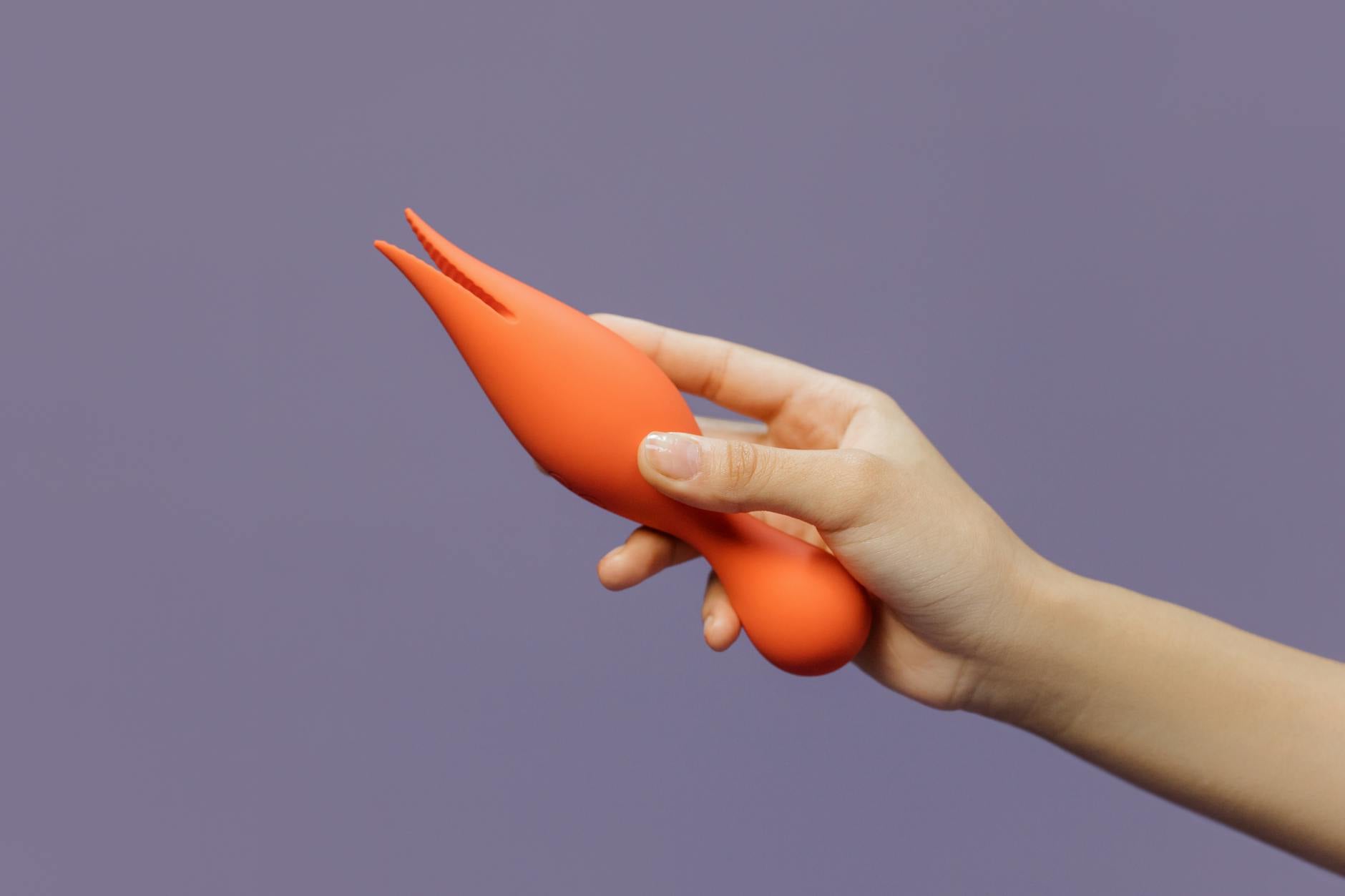
Before you bring a lemon clitoral vibrator into the equation, you need to understand what's actually happening. This requires a conversation that's separate from sex. Literally separate. Not in the bedroom. Not during foreplay. Not when either of you is trying to initiate.
Ask your partner: "What's actually going on with your desire right now?" And then listen. Not to fix it, not to solve it, but to understand it.
They might tell you about exhaustion. Anxiety. A medication that's affecting them. Resentment about something unrelated to sex. A change in how their body feels. Grief. Burnout. Depression.
Your job in that conversation is to separate three distinct things:
First, their low libido from your worthiness. Your partner's lack of desire is not about your attractiveness or your value.
Second, their low libido from a relationship problem. Sometimes it's a symptom of a relationship problem. Sometimes it's a symptom of something happening inside them.
Third, your need for sex from pressure. You can want sex without making your partner feel pressured to provide it.
Once you've had that conversation, solo pleasure becomes something different. It's not a workaround. It's not a substitute for your partner. It's an acknowledgment that your body has needs, and you deserve to meet them, even when your partner's body isn't available right now.
Lemon vibrators are useful here for a specific reason: they don't require anything from your partner. You can use them alone, on your own timeline, without negotiating, without waiting, without the emotional labour of trying to create desire in someone who isn't feeling it.
Start with a pattern that feels good and builds slowly. Many people find that when they're not in "waiting mode" for a partner, their own pleasure becomes less fraught. Lower stakes. More actual enjoyment.
Some couples find that a partner watching solo play helps rebuild desire. Others find it creates more pressure. You need to know which one applies to you.
If your partner has said, "I don't want sex," that's a boundary. Asking them to watch you use lemon vibrators might feel like you're testing that boundary. It might feel like pressure masquerading as sharing.
Have that conversation directly. "I'm thinking about exploring my own pleasure. Would you want to be involved or would you prefer I do that on my own time?" Their answer matters. And it's okay if it's not what you hoped.
Sometimes low libido is temporary. Stress lifts, medication changes, the hormonal crisis passes. Sometimes it's chronic. Sometimes it's a sign that something bigger needs to change.
When couples have significantly mismatched libidos, there are only a few paths forward. One partner can accept reduced frequency. The other partner can explore solo pleasure without resentment. You can both see a therapist who specializes in sex and desire. Or you can acknowledge that this mismatch is incompatible and make different choices.
What you can't do is pretend it's not there. That path leads to affairs, resentment, contempt, and eventual collapse. I've watched it happen hundreds of times.
If your partner is on board with you exploring solo pleasure, here's how to keep it connected rather than isolating:
First, be transparent about when and how often. Secrecy creates distance. Openness maintains a thread of intimacy even when sexual frequency doesn't match.
Second, start with lower intensity patterns. The Lem vibrator's suction technology is particularly good for this because you can begin at gentler settings and build from there. You're not racing to orgasm. You're actually exploring your own pleasure.
Third, notice what patterns feel good and communicate about them. Not as a demand on your partner, but as information. "I've discovered I really like pattern three. It helps me feel less tense." That's different from "I need you to do this more often."
Fourth, don't use solo play as a way to avoid the bigger conversation. It's a tool, not a replacement for addressing the mismatch directly.
Have your partner see a doctor if they haven't already. Low desire sometimes points to thyroid issues, depression, hormonal imbalance, medication side effects, or other treatable conditions.
A good GP will take this seriously. If they don't, find a different one. This matters.
If your partner is in therapy, this is worth bringing up. Sometimes desire returns once the underlying issue is addressed. Sometimes it doesn't. Either way, you deserve to know what you're actually dealing with.
Here's what I tell couples with mismatched libidos: you can compromise on frequency. But you cannot compromise on kindness. You cannot compromise on honesty. And you cannot compromise on your partner's right to their own bodily autonomy.
If your partner says no to sex, that's a complete sentence. Using lemon vibrators isn't about working around that no. It's about meeting your own needs without making your partner responsible for them.
That's the shift that actually works. Not "I'll just satisfy myself so you don't have to feel guilty." But "I have needs. I'm going to meet them. And I'm doing this with honesty and respect for your boundaries."
Mismatched desire is not a relationship death sentence. But unspoken resentment about mismatched desire absolutely is.
That reaction usually signals something beneath the surface. Maybe they feel replaced. Maybe they're insecure about their own desire. Maybe they think solo pleasure means you don't find them attractive. None of those are true, but they need to be named and addressed.
Have the conversation: "I want to explore my own pleasure because my body needs this. It has nothing to do with you or how I feel about you." If they remain threatened after that, couples therapy is worth considering. This is a belief that needs untangling.
Yes, if you've had a conversation about it and they've consented. Privacy matters. Timing matters. But secrecy is worse than transparency. If you're hiding it, you're feeding the distance.
If your partner has said they're uncomfortable with it, that's a conversation to keep having. Not a rule to silently obey while building resentment.
Sometimes. If the low desire is situational (stress, exhaustion, medication), it might resolve. If it's chronic or tied to incompatibility, probably not. But you might build intimacy in other ways that matter more than frequency.
Expect that this will take time, honesty, and possibly professional help. There's no quick fix for desire mismatch.
No. That's not your job. Their desire is theirs to access or not. Your job is to communicate clearly about what you need and to respect their boundaries while meeting your own.
If you're constantly trying to generate desire in someone who isn't feeling it, you're exhausting yourself and likely creating more pressure for them.
That's a separate issue from libido mismatch, but it often gets tangled up together. If your partner struggles with orgasm or desire, a sex therapist who specializes in that can be invaluable. This is not something to fix on your own.
You stop resenting them by stopping pretending the problem doesn't exist. Resentment grows in silence. It shrinks under honesty. Have the conversation. Seek help if you need it. Make a choice about whether you can accept the mismatch. Then either work with it or make different decisions about the relationship.
Using lemon vibrators when your partner's libido doesn't match yours is part of managing the gap. But it's not the main work. The main work is the conversation. The honesty. The willingness to say what you actually need and hear what your partner actually needs.
Your desire matters. Their boundaries matter. Both can be true. How you hold both of those truths is what determines whether this mismatch becomes a point of connection or a slow drift toward separate lives.
If you're struggling to have this conversation, that's what therapy is for. A good couples therapist can help you both speak clearly about desire, boundaries, and what you actually want from the relationship.
You deserve pleasure. Your partner deserves autonomy. Those two things are not in conflict. But the conversation you're avoiding right now is.