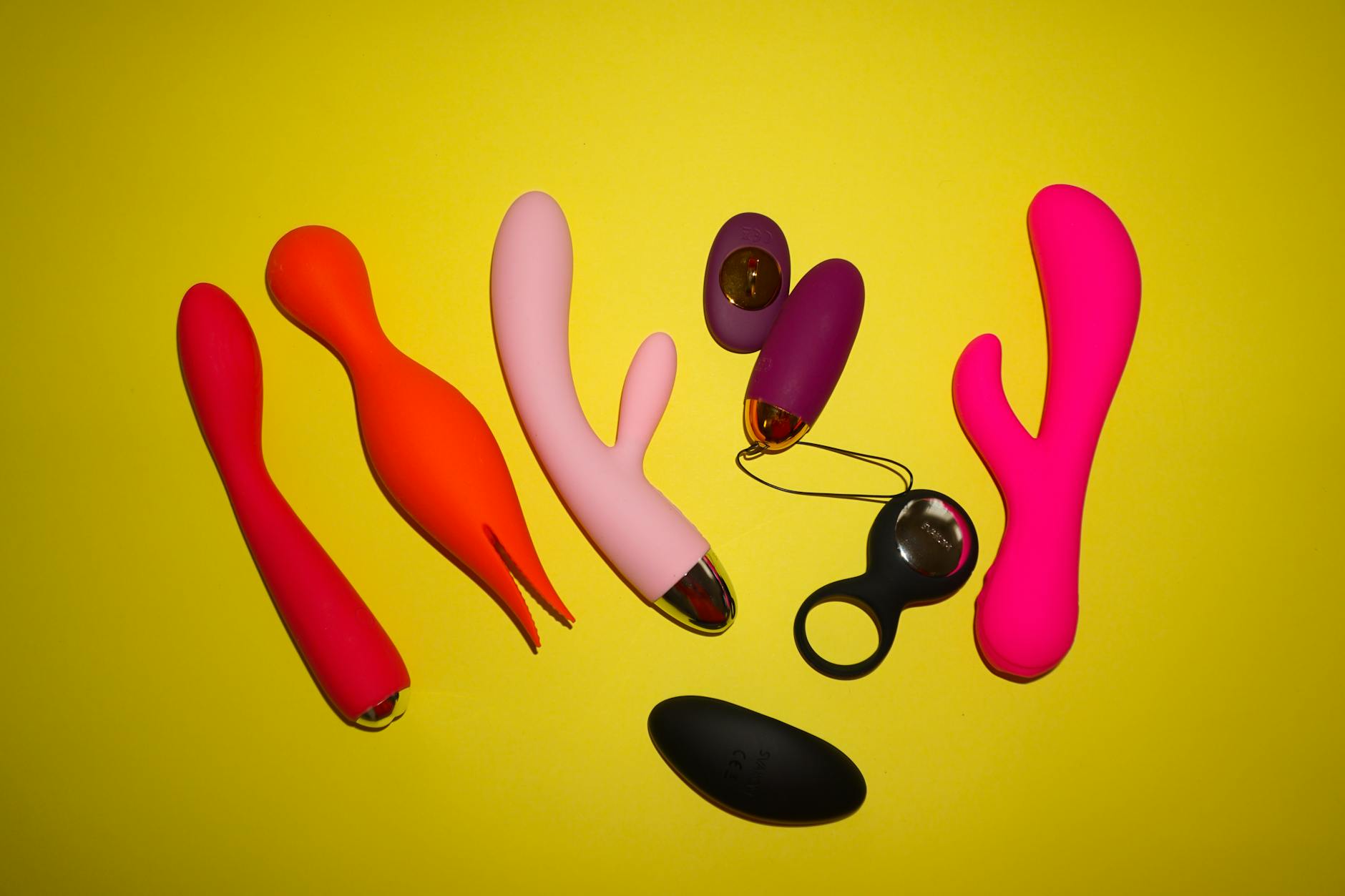
The gap rewires more than you think
It's not just months or years without a partner. It's the way your brain has learned to protect itself. After a long stretch away from intimacy, your nervous system doesn't suddenly reset because you decide you're ready. Your body still remembers the pattern: withdrawal, self-protection, safety in distance. That's not a flaw in you. That's actually your nervous system doing exactly what it's designed to do.
I work with people rebuilding pleasure after gaps all the time. The gap could be from a breakup, a long marriage that ended, caregiving that consumed a decade, grief, or just life getting so heavy that intimacy fell away. The timeline matters less than what happens next. Anxiety about pleasure isn't about the toy. It's about permission.
Why anxiety shows up now
Here's what I see most often. You decide you're ready. You buy something. You set aside time. And then the moment arrives and your brain floods with all of this: Am I still capable? What if my body doesn't work anymore? What if nothing feels good? What if I do feel something and then I can't access it again? What if wanting this means I'm broken?
All of that is reasonable. And all of it is what keeps people stuck.
The anxiety isn't about using a lemon clitoral vibrator or any clitoral vibrator. It's about what pleasure means now. When you've been away from your own body for years, returning feels risky. Your nervous system is asking: Is it safe to want this?
Starting with the body, not the toy
Before you touch a lemon vibrator, you need to know something about your own baseline. This sounds basic, but almost nobody does it.
Spend a week just noticing temperature. A warm shower. Cool sheets. The weight of your hand on your arm. This isn't meditation. You're just paying attention to what feels like neutral sensation without any goal attached. Your nervous system needs to remember that sensation without outcome is safe.
Then add one more thing: touch that doesn't go anywhere. Hold your own hand. Rub your own arm slowly. No pressure, no destination. The point is building the experience of touch that feels good and stops, without creating expectation or shame.
This isn't foreplay. This is foundation. You're telling your body: We can feel things again. Nothing bad happens.
The anxiety patterns that show up with toys
When you finally hold a lemon vibrator, watch for three things that often trip people up:
The performance watch. You're using the toy and simultaneously observing yourself using it, like you're in a movie of your own experience. This splits your attention in half and makes sensation feel distant. If you notice this, pause. Put the toy down. Take three breaths where you're just feeling your own weight on the bed or chair. Then pick it up again.
The speed trap. Anxiety makes us want to get to the finish. You ramp up intensity immediately, looking for that moment of release like it's an escape hatch. It never feels good, because you're rushing past the sensations that actually matter. Start at the lowest setting. Stay there for five minutes. Then pause and notice if anything shifted.
The shame loop. You're doing this and part of your brain is saying This is awkward or I'm not good at this or I shouldn't want this. The moment shame enters, pleasure can't. You don't need to fight the shame. Just name it. "I'm feeling weird about this." Then make a choice: Keep going or stop? Either choice is fine. The point is you're not pretending the shame isn't there.
Building tolerance for pleasure
After years without intimacy, pleasure can actually feel overwhelming. This isn't a problem. This is information. Your system is sensitive. That's good.
Use lemon sexual toys in shorter sessions, not longer ones. Five to ten minutes is plenty. Set a timer. When it goes off, stop. This teaches your nervous system that pleasure has boundaries. You're not going to be swallowed by it. You can feel it and it ends.
Do this consistently, same time each week if possible. Your brain is learning a new pattern: This is when we feel good. This is safe. We come back from it. A lot of anxiety dissolves when there's actual data that contradicts the fear.
The role of choice and control
One thing that makes lemon adult toys particularly useful during this phase is the suction technology. Unlike vibrators that require you to hold them in the exact right spot, suction creates a sensation that's harder to "fail" at. You feel it, it's pleasurable, and you don't have to be perfect.
But the bigger thing suction gives you is control. You can adjust the intensity instantly. You're not trying to read your partner's cues or worry about looking a certain way. It's you, the toy, and the exact amount of sensation you want right now.
That control is where anxiety dissolves. Because pleasure stops being something that happens to you and starts being something you're choosing, moment by moment.
When your partner is involved
If you're rebuilding intimacy with someone new, or returning to a long-term partner after a gap, the conversation about using lemon vibrators matters more than the toy itself.
Don't ask permission. Tell your partner what you're doing. "I'm rebuilding my own pleasure in my own time. I'll let you know if I want you involved." This is important because it frames the toy as part of your healing, not as a reflection on them. Anxiety often includes a component of: Will my partner feel replaced or rejected? Being clear eliminates that.
If your partner wants to be involved, set boundaries first. Tell them exactly what you want them to do. "Hold me while I do this" or "Just be in the room" or "I'll let you know when I want more." Anxiety thrives in ambiguity. It dissolves with clarity.
The timeline nobody mentions
Rebulding pleasure isn't linear. You might feel good one week and shut down the next. Stress, a memory, a weird comment from someone, your period, the weather. Your nervous system isn't broken when it pulls back. It's just being cautious.
Don't punish yourself for the pullback. Just notice it. "Okay, my body's being careful today." Then decide: Do I want to use the toy anyway, or do I want to rest? Both answers are right. The point is you're making the choice, not your anxiety.
Most people find that after three to four weeks of consistent, low-pressure use, something shifts. The toy starts to feel less like a challenge and more like a friend. Pleasure starts to feel possible, not impossible.
When to add more complexity
Once you've rebuilt some baseline comfort (usually six to eight weeks), you might want to experiment with different sensations. Maybe longer sessions. Maybe different patterns on the toy. Maybe thinking about something that turns you on. Maybe involving a partner.
But only add one variable at a time. If you add novelty, intensity, time, and a partner all at once, you've created a lot of room for anxiety to spike. Take it step by step. Build evidence that your body works and that pleasure is available to you.
Lemon clitoral vibrators like the Lem are built for exactly this kind of rebuilding because the sensation is straightforward, the control is total, and there's no pretense of anything beyond what they do: create focused, reliable pleasure.
The permission piece
Honestly though, the biggest barrier isn't the toy. It's the permission. You've spent years away from wanting anything for yourself. Your nervous system learned that safety meant not asking for much. Pleasure feels dangerous because it means wanting something, and wanting things means risking disappointment or loss.
Using a lemon vibrator while you're carrying that is like trying to accelerate with one foot on the brake. The toy will work. Your body will respond. But you won't feel it as much as you could.
So before you do anything else, tell yourself this: "I deserve to feel good. Not someday. Not if I earn it. Now." Say it out loud. It sounds silly. It works. Your nervous system needs to hear it from you.
People also ask
How long does it take to rebuild sexual confidence after years away from intimacy?
Most people notice a real shift in comfort and pleasure within four to six weeks of consistent, pressure-free use of toys like lemon vibrators. That said, confidence isn't linear. You might feel great one week and anxious the next. This is normal. Think of it as rebuilding a muscle. Some days it works better than others. The timeline gets longer if you're carrying trauma, if anxiety is more severe, or if you're dealing with other life stress at the same time. Working with a therapist alongside using lemon adult toys can accelerate the process.
Can anxiety about pleasure actually prevent orgasm?
Absolutely. Anxiety creates what's called a disconnect between what your body is experiencing and what your mind can access. You can be getting great physical stimulation from a lemon clitoral vibrator and still not feel much because your brain is preoccupied with worry or observation. The fix is usually slowing down, using shorter sessions, and spending more time on building comfort with sensation that has no goal attached. Once your nervous system feels safe, the physical response usually follows.
Is it normal to feel nothing the first few times you use a vibrator after a gap?
Completely normal. After years away, your neural pathways for pleasure are like an old road that hasn't been used. It takes time for sensation to travel those roads again. The first few uses might feel clinical or distant. Keep going. By the third or fourth week, most people report that sensation starts to feel more vivid. If you're feeling absolutely nothing after six weeks, check in with a healthcare provider. Sometimes medication side effects, hormonal changes, or other factors are at play.
What if I'm using a toy and I start to feel anxious instead of aroused?
Pause. Don't push through. Pause means you're listening to your body. Put the toy down, take a few breaths, and ask yourself: What am I afraid of right now? Name it. Then decide. Do you want to try again, or do you want to stop? Stopping is not failure. It's you respecting your own nervous system. If anxiety keeps interrupting, try using the toy in shorter bursts, or during a time when you feel more calm and grounded.
Can a partner help reduce anxiety while I'm rebuilding pleasure with lemon sexual toys?
Yes, but only if the partner is patient and you're clear about what you need. A supportive partner can help by creating a calm environment, by not pressuring you toward any outcome, and by respecting your pace completely. The worst thing a partner can do is watch and hope you feel something. The best thing is to be present without expectation. If you're with someone who's making you feel rushed or judged, that relationship itself might be part of what's keeping your nervous system on alert.
What if I feel guilty about taking time for my own pleasure?
That's actually one of the most common things I hear, especially from people rebuilding after a gap. There's often a narrative in their head that pleasure should come from a partner, not alone. Or that they don't deserve to prioritize their own body. That's a value worth examining. Your pleasure is not selfish. It's not taking away from anyone else. Using a lemon vibrator alone is an act of self-care and nervous system regulation. You're teaching your body that it matters. That's the opposite of guilt. That's love.