Let's be real. Infidelity doesn't just hurt your trust in a partner. It hijacks your relationship with your own body. Suddenly, pleasure feels dangerous. Your sexuality becomes evidence of something you couldn't control. And the idea of wanting anything for yourself feels loaded with the wrong kind of meaning.
Here's the thing I've seen with hundreds of couples working through betrayal: reconnecting with pleasure is not about forgiveness, and it's not about the relationship. It's about taking back ownership of the one body you've actually always had.
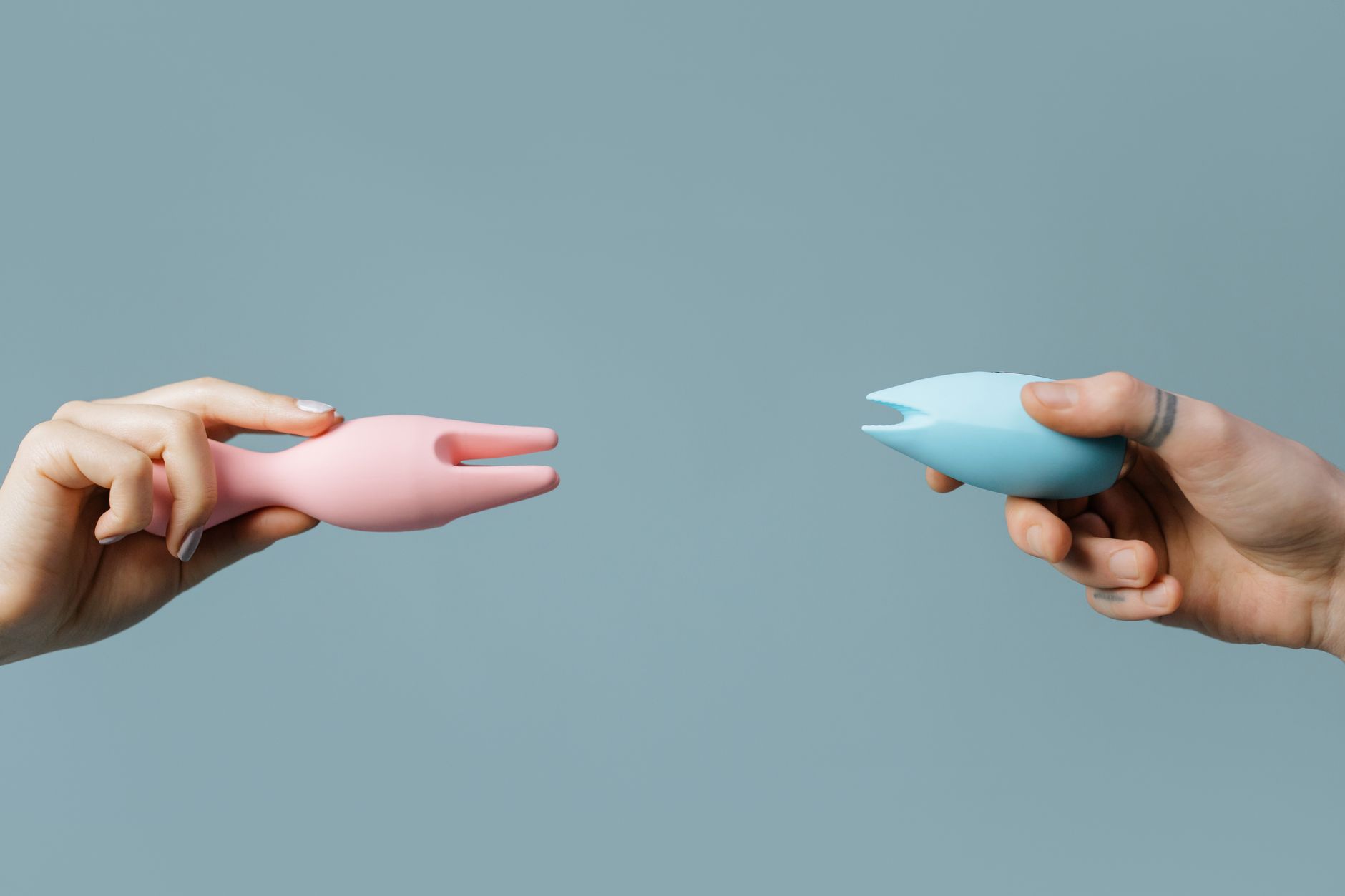
That's where something like a lemon clitoral vibrator comes in. Not as a Band-Aid, but as a practical way to remember that your pleasure is yours alone.
When infidelity happens, the brain does something protective. It locks down access to desire. This makes sense evolutionarily. If wanting sex got you here, maybe wanting nothing is the safer choice.
But that shutdown costs you. Solo pleasure requires you to feel good in your body, to pay attention to what feels good, and to give yourself permission to want something. All three of those things take a hit after betrayal.
The good news is that the mechanism works both ways. Gentle, intentional pleasure can actually tell your nervous system that it's safe to feel again.
The mistake most people make is jumping straight to orgasm. After infidelity, orgasm can feel like the goal post. It becomes another performance, another thing to prove. Instead, start with sensation.
With a lemon vibrator, begin on the lowest pattern. Let it sit against your clitoris without moving. Notice what that feels like. No expectation of arousal, no requirement that this lead anywhere. Just input, output. Sensation.
This is where air-suction toys shine for post-betrayal work. They don't require the same pressure or intensity that traditional vibrators do. You can start incredibly gentle. And they feel less like "doing sex" and more like "noticing my body," which is exactly what you need right now.
Spend time here. Three, four, five sessions of just noticing. Your nervous system needs to learn that pleasure doesn't have to mean anything other than what it is.
Here's a cognitive shift that matters: after infidelity, self-pleasure isn't self-indulgence. It's self-protection.
When you touch your own body with intention, when you figure out what makes you feel good, when you give yourself permission to want something just for you, you're doing something radical. You're saying: "My pleasure belongs to me. Not to anyone else's choices. Not to anyone else's failure. To me."
That reframing transforms the whole practice. It stops being something you have to justify and starts being something you're actively defending.
Lemon clitoral vibrators, especially the air-suction design, have a particular advantage here. They work through gentle suction rather than direct vibration, which means you can start at intensities that feel almost whisper-soft.
That matters when your nervous system is already primed for threat. You don't want to shock your body back into sensation. You want to coax it.
The suction pattern also creates a kind of rhythm that the brain finds soothing once the initial surprise passes. It's different from traditional vibration. For people rebuilding trust in their own pleasure, that difference is genuinely valuable.
After infidelity, shame loves to show up in the quiet moments. You're touching yourself, and suddenly you're thinking about what it meant that your partner wanted someone else. Suddenly pleasure feels like evidence that you somehow invited the betrayal.
You didn't. And the presence of that thought doesn't mean you should stop.
What helps: a practice. Something regular enough that your brain starts to expect it, not fight it. Maybe it's Sunday morning for ten minutes. Maybe it's Wednesday evening. Something consistent enough that anticipation can build.
When you show up regularly, your nervous system stops treating pleasure as an emergency signal and starts treating it as information. "Oh, this is a time I take care of myself." The shame has less territory to colonize.
If you're doing this work while trying to rebuild the relationship, your partner might want to be involved in your healing. That impulse is kind. And it can also be premature.
Rebuild your solo pleasure first. Get comfortable with the knowledge that you can feel good in your own body, independent of anyone else's touch or approval. Once that's solid, then you can start thinking about whether partnered pleasure is something you want to rebuild.
One of the most powerful things I tell couples: your individual pleasure is not something your partner needs to witness or participate in to be meaningful. Some of that work is just yours.
Recovering pleasure after infidelity doesn't follow a linear path. You might have a week where you feel excited about touch, and then something small triggers you back into shutdown. That's not failure. That's healing that's actually working.
I tell my clients to think in terms of three to six months of regular, gentle practice before they start expecting orgasm or intensity. Your brain needs time to rewire the connection between pleasure and safety.
Some people find that lemon clitoral vibrators help accelerate that because the suction sensation is so different from anything partnered sex involved. It becomes its own experience, untethered from the old trauma.
If pleasure is completely locked down, if touching yourself triggers panic rather than hesitation, that's the moment to get professional support. Infidelity trauma is real trauma. Sometimes you need help processing the betrayal before you can rebuild pleasure.
That's not a failure either. It's wisdom. A therapist trained in sex therapy or trauma-informed care can help you untangle what's nervous-system activation and what's emotional processing.
Here's what I've learned from sitting with people on the other side of infidelity: when you reclaim your pleasure, you're not forgiving what happened. You're not saying it was okay. You're saying something much more powerful.
You're saying: "What you did took something from me. But I'm taking it back. My body, my desire, my right to feel good. These are mine."
Using a lemon vibrator isn't magic. But it's a concrete, physical way to practice that reclamation. Every time you show up for yourself, every time you let yourself feel something good with no strings attached, you're rebuilding what infidelity tried to destroy.
Your pleasure matters. Not because it helps the relationship. Because it proves you're still here.
There's no universal timeline, but most therapists suggest waiting until the initial shock and grief have passed enough that you can think about something other than the betrayal for more than a few minutes. For some people that's weeks. For others, months. The question isn't "Is it too soon?" but "Am I doing this to heal myself, or to prove something to my partner?" If it's the former, you're ready.
Not directly. But solo pleasure practices can help you feel more embodied and present, which sometimes makes it easier to be vulnerable with a partner again. That said, relationship repair requires both people doing their own work. Your lemon clitoral vibrator is about your healing, not about saving the relationship.
That's your nervous system protecting you. Try grounding techniques before your practice: hold ice, name five things you can see, feel the texture of a blanket. These signal safety to your brain. If the memories are overwhelming, that's when professional support helps. You're not broken. Your body's just running an old protection program.
That depends on the relationship. Some couples rebuild transparency by sharing everything. Others need private space to process. There's no rule. What matters is that your solo practice doesn't feel like something you're hiding because it's shameful. If you're keeping it private for privacy's sake, that's healthy. If you're hiding it because you feel guilty, that's worth exploring.
Sometimes. The difference in sensation and the control you have over the experience can help your nervous system learn that touch can be safe again. But if sexual trauma is present, a trauma-informed sex therapist should be part of the process. They can help you understand which tools actually help and which ones might retraumatize.
Healing shows up as small shifts: you think about the betrayal less often, your body feels more like it belongs to you, you're curious about sensation rather than just performing it. Going through the motions feels rote and disconnected. If you're doing solo pleasure practices but still feel completely shut down, that's a signal to slow down and get support. Healing shouldn't feel like another chore.
Recovering pleasure after infidelity is possible. It's not about forgetting what happened or smoothing over the hurt. It's about proving to yourself that your body, your desire, and your right to feel good weren't actually taken away. They were just borrowing into hiding.
Whether you use lemon vibrators or another tool, the real work is showing up for yourself with patience and zero judgment. Your pleasure is an act of resistance against the shame that infidelity creates.
If you're navigating this alone or trying to figure out the next step with your relationship, reach out. That's what we're here for.