Let's talk about the gap
Years without sex is not actually that unusual. Life happens. Health crises, depression, grief, stress, relocation, medical procedures, relationship fractures that eventually heal. And then one day you realize your body has been dormant for so long that the idea of intimacy feels foreign, maybe even a little scary.
The good news: your body hasn't forgotten how to feel pleasure. It's just been quiet. And that quietness is actually an asset if you know how to use it.
Why the gap creates specific friction
When you haven't had sex in years, restarting doesn't feel like flipping a switch. It feels more like waking up something that's been asleep, and waking it up too fast causes resistance. Your nervous system is out of practice. Your pelvic floor might be tight from disuse. Psychologically, you might be carrying shame, anxiety, or just plain uncertainty about whether you'll remember how your body works.
If you're in a relationship, your partner might be carrying their own mix of hope and hesitation. If you're solo, you might feel rusty about knowing what you want.
That's where lemon sexual toys change the equation. They're not about jumping into traditional partnered sex. They're about rebuilding the conversation between you and your own body first.
Start with sensation, not pressure
When you've been away from pleasure for years, your clitoris doesn't wake up the same way it did before. It needs time, gentle attention, and consistency. The architecture of pleasure is still there—those 8,000 nerve endings in the clitoral complex don't disappear. But the neural pathways that fire when stimulated need practice to light up again.
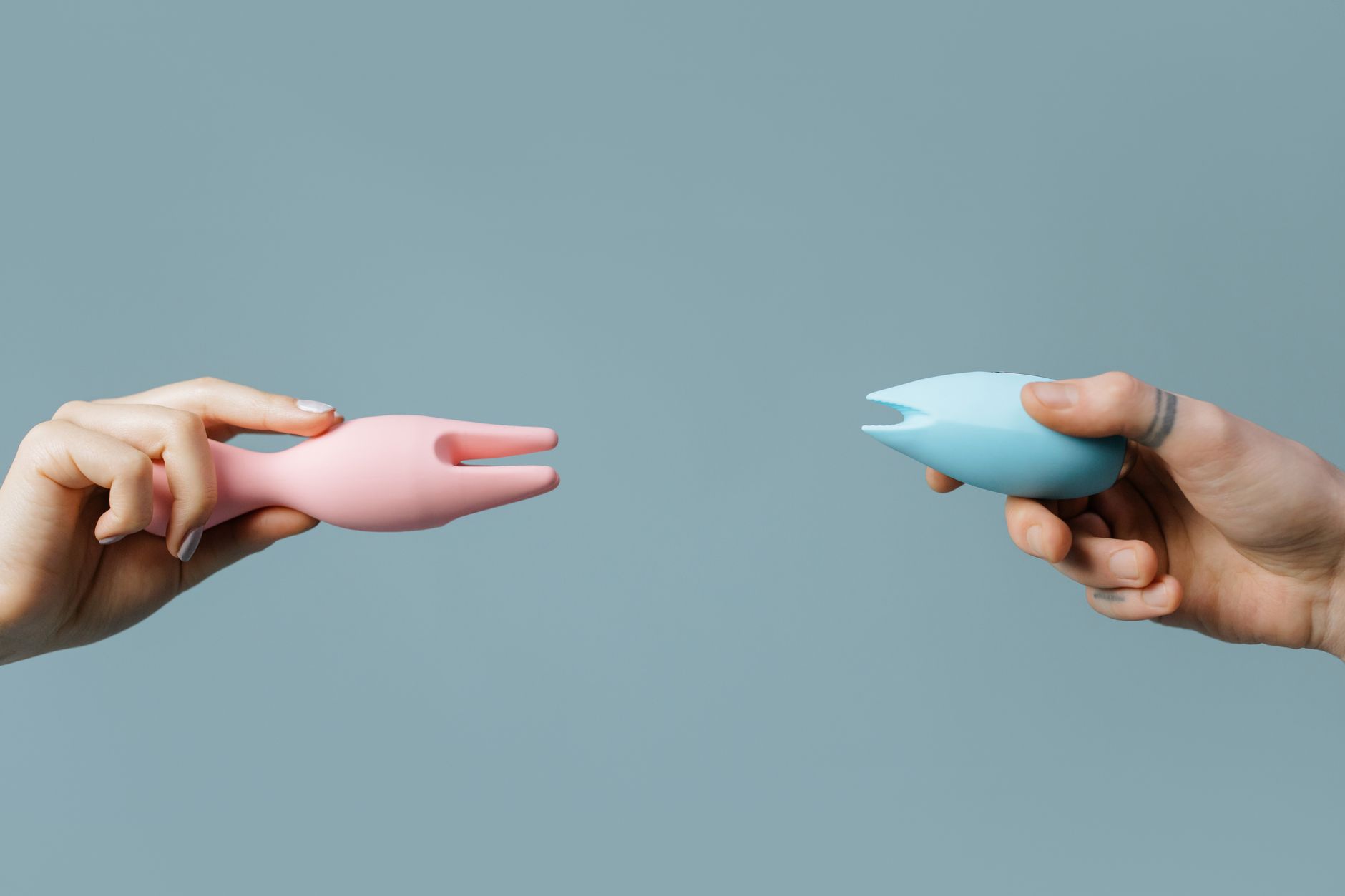
This is where lemon clitoral vibrators designed for suction work brilliantly. Unlike traditional vibrators that rely on repetitive buzzing, suction-based stimulation creates a gentler, more building kind of sensation. It's less jarring to a nervous system that's been offline. You control the pattern, the intensity, and the pacing entirely. No guessing. No performance.
Start with pattern 1 or 2 on the lowest setting. Spend 20-30 minutes just exploring sensation. You're not racing toward an orgasm. You're listening to what your body is telling you about pressure, rhythm, and sensitivity.
Create a deliberate reset ritual
After a gap in sex, your brain needs permission as much as your body needs stimulation. That permission comes from ritual. Deliberate ritual signals to your nervous system that this is intentional, safe, and yours.
Set aside time when you're not rushed. Close the door. Dim the lights or light a candle. Put your phone in another room. Use a water-based lubricant even if you think you don't need it—bodies that have been dormant can take longer to produce natural lubrication, and that's completely normal. Lubrication isn't a sign of anything wrong; it's a sign your body is responding.
Start with your own pleasure first, solo. This isn't selfish. This is you rebuilding the baseline of sensation in your own body so you know what you want before you're navigating it with another person.
If you're doing this with a partner
Let them know what you're building toward, but not in a heavy conversation. Something simple: "I want to start reconnecting with my own body first. I might want you involved eventually, but I'm going to take my time." Then actually take your time. Three weeks of solo exploration before you involve them. Eight weeks is even better.
When you do invite your partner in, their job is to be present and curious, not to drive the experience. They watch. They can touch you elsewhere. But the toy stays in your hands. You're the one controlling the pattern, the intensity, the rhythm. This is where lemon vibrators shine—they keep the agency in your hands literally.
If your partner wants to participate more actively, one approach is to have them hold you while you use the toy on yourself. That rebuilds physical closeness and intimacy without the pressure of performance. Some people find this easier than moving into partnered sex because it's less complicated neurologically. There's no pressure to orgasm, no worry about their pleasure, just sensation and presence.
What to expect in weeks 1-4
Weeks 1-2 might feel underwhelming. Your body is waking up. You might feel sensation but not arousal. You might feel arousal but struggle to reach orgasm. Both of those are completely normal. Your nervous system is learning that pleasure is safe again. That takes time.
By week 3-4, most people report feeling more sensation and more ease. Your body remembers. The pathways are lighting up again. You might start to feel genuine curiosity about intensity rather than anxiety about whether you can feel anything at all.
Watch for these signs you're ready to progress
Three markers that you're ready to move from solo exploration to partnered activity. First: you're reaching orgasm consistently, even if they're small or different than you remember. Second: you're genuinely wanting touch from your partner, not doing it because you think you should. Third: your anxiety about sex has shifted from "Will I be able to?" to "What do I want to happen next?"
Those three shifts mean your nervous system has genuinely come back online.
The specific power of lemon vibrators in this situation
Clitoral suction toys like lemon vibrators create a sensation that's distinctly different from traditional vibration. The suction creates a gentle pulling sensation that builds arousal more gradually. For bodies that have been dormant, this is ideal because it doesn't shock the system. It coaxes it back to life.
The lemon clitoral vibrator also gives you total control. You're not dealing with a partner's rhythm or expectations. You're not waiting for someone else to calibrate intensity. You dictate everything. That control is psychologically massive when you're rebuilding trust in your own body.
Common obstacles and how to move through them
Some people report that after a long gap, orgasm feels distant or muted even when sensation is strong. That's often a pelvic floor tension issue. Your pelvic floor has tightened from disuse, and that tension actually blocks full orgasmic response. The fix: spend 5 minutes before using a lemon vibrator doing slow, deep breathing and deliberately relaxing your pelvic floor. Breathe in for four counts, out for six. Let your pelvis soften. Then explore.
Others struggle with shame or weirdness about solo pleasure after so long away. That's your nervous system being protective. You survived without it, so some part of you thinks you don't deserve it. That's not true. Your pleasure rebuilds your relationship with your own body, and that strengthens every relationship—with yourself, with a partner, with life.
If you're in a relationship and your partner expresses disappointment about the pace, <a href="/blog/how-to-use-lemon-vibrators-when-communication-with-your-partner-feels-stuck">that's a communication issue that deserves attention</a>. Reconnecting after years without sex is genuinely vulnerable. You need a partner who can hold that vulnerability, not pressure you to move faster.
The surprising part nobody tells you
Many people who take six months or a year to slowly rebuild pleasure report that their orgasms feel different. Sometimes stronger. Sometimes more nuanced. Sometimes they discover they want different things than they did before. A gap in sex isn't just a pause. It can be a reset. Your body has changed. Your mind has changed. Your wants might have changed too.
That's not something to fear. That's the beginning of something new.
FAQ: Reconnecting After a Long Gap
How long should I wait before trying penetration again?
There's no hard rule, but most people who've been away from sex for years find it easier to move from solo play to partnered external stimulation before moving to penetration. Think of it as a progression: solo toy time, then partnered presence, then touch, then external play together, then conversations about what penetration might look like. Most people find this takes 2-4 months. Rushing it usually backfires.
Will my body remember what to do?
Yes, in the sense that the neural architecture of pleasure is still there. No, in the sense that you'll need practice to rebuild the pathways. It's like learning to ride a bike after a decade—the fundamentals are in your muscle memory, but you'll be wobbly at first. Solo exploration with a lemon vibrator lets you practice without an audience.
What if I can't reach orgasm at first?
Orgasm after a long gap is often not the first thing that comes back. Sensation comes first. Arousal comes second. Orgasm can take weeks or even months to fully return. Some people find that orgasms feel different when they do return. That's normal. Stop treating orgasm as the goal for the first month and just track sensation. "Did I feel more today than yesterday?" That's the question.
Is it normal to feel weirdness about wanting this again?
Completely normal. You survived without sex. Your brain wants proof that you actually need it now. You need permission from yourself. That permission often comes from actually experiencing pleasure consistently, not from thinking about it. So use the toy. Feel the sensations. Let your body argue for its own needs.
Should my partner watch when I use a lemon vibrator?
That's entirely up to you. Some people find it hot and connecting. Some people find it puts pressure on the experience. Solo exploration lets you figure out what you want without anyone watching. Then you can decide if bringing them in feels right. There's no timeline here.
What if my partner wants more than I'm ready for?
This is worth a conversation, and <a href="/blog/how-to-use-lemon-vibrators-when-rebuilding-intimacy-after-long-distance">that conversation might benefit from some scaffolding</a>. The phrase that works: "I'm rebuilding this for us both, and I need to move at my pace." If they can't honor that, the intimacy gap might be symptomatic of a larger relationship issue worth examining with a therapist.