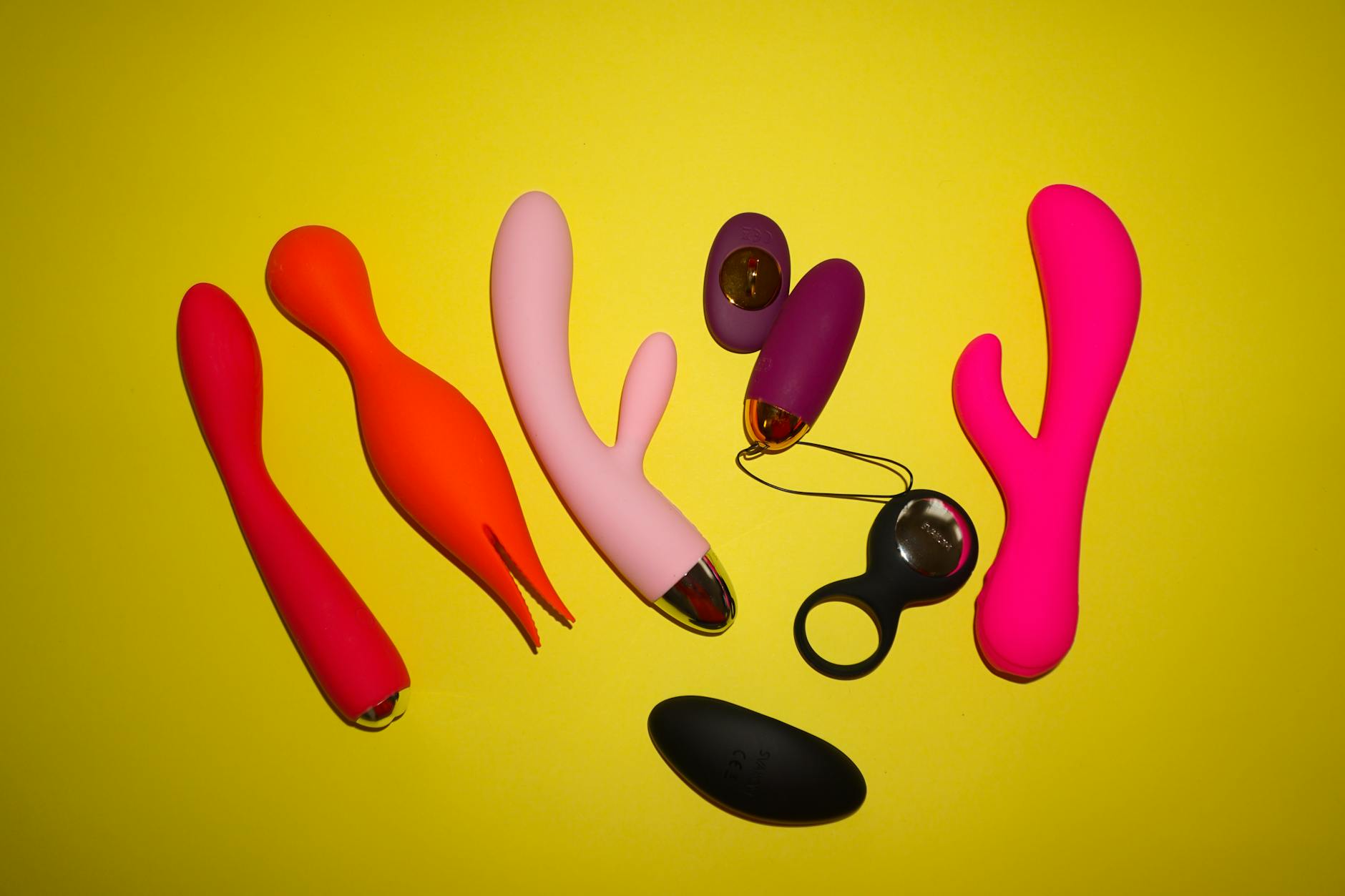
You touch yourself and feel... less. Not nothing, but definitely less than you used to. A vibrator that once made you light up now feels like it's buzzing in the distance. It's not painful, not exactly. It's just muted. And that muted feeling is often scarier than pain because you start wondering if you broke something, or if pleasure is just leaving you.
Here's the truth: your clitoris is still there. The nerve endings haven't vanished. What's changed is sensitivity at the perceptual level, and that's actually fixable.
Clitoral desensitization happens for a lot of reasons, and almost none of them mean you're permanently broken.
Habituation is the big one. Your nervous system gets used to a stimulus. The same vibration pattern, the same pressure, the same rhythm for months or years. Your brain stops saying "whoa, that's intense" and starts saying "okay, file that away." This is actually a feature of how nervous systems work. It keeps us from being overwhelmed by constant input. But it also means pleasure plateaus if nothing changes.
Medication side effects are another major culprit. Antidepressants, hormonal birth control, blood pressure meds, antihistamines. These can all dull sensation or make orgasm harder to reach. You haven't lost sensitivity in the clitoris itself, but the signal between your clitoris and your brain has gotten quieter.
Stress and tension hold everything down. When your nervous system is stuck in fight-or-flight, blood doesn't flow to the clitoris the same way. Sensitivity requires relaxation. If you're stressed, grieving, anxious, or just running on fumes, the clitoris feels more like a distant relative than an erogenous zone.
Hormonal shifts do real work here too. Not just big things like perimenopause, but smaller fluctuations in testosterone, prolactin, and cortisol. A change in cycle, a new medication, thyroid stuff, even just aging. These hormones regulate blood flow to genital tissue.
Overuse of the same tool creates a specific problem. If you've been using the same vibrator at the same intensity for two years, your clitoris has adapted to that exact frequency. It literally needs something different to wake up again.
I want to be precise here because the language matters. Your clitoris still has the same number of nerve endings. The sensitivity loss you're experiencing is at the perceptual level. Your brain isn't receiving the signal as strongly. That's different from actual nerve damage. And that distinction means it's reversible.
Think of it like a speaker with the volume turned down. The speaker still works. The sound is still being produced. You just can't hear it as clearly from where you're standing.
Lemon clitoral vibrators work differently than traditional wand vibrators. The suction pattern targets the clitoris without direct mechanical friction. Instead of vibration alone, you get a combination of suction and pulsing that mimics the kind of stimulation that tends to wake up desensitized tissue.
The suction mechanism is gentler on sensitive tissue and also creates a seal around the clitoris. That seal means more consistent pressure and more blood flow. Blood flow is what brings sensation back. More blood in the tissue means more nerve activation.
For someone dealing with desensitization, this matters because it feels different enough from what your clitoris has adapted to. Different stimulus equals new neural pathways. Your brain gets interested again.
Here's what I recommend to people recovering sensation:
Start at the lowest setting. Not because your clitoris is fragile, but because you need to retrain your nervous system to notice subtle sensation. Use setting one or two for the first few sessions. Your job isn't to reach orgasm yet. It's to feel the sensation at all.
Take your time with the warm-up. Spend at least ten minutes on non-genital touch first. Hands on your body, maybe a shower, whatever helps you relax. Sensitivity lives in relaxation. If your pelvic floor is clenched and your shoulders are up by your ears, you won't feel anything, no matter what vibrator you use.
Use the Lemon vibrator for shorter sessions. Five to ten minutes. Not because that's all you can handle, but because you're retaining your brain's attention span. Shorter sessions mean your nervous system doesn't habituate as quickly. You'll actually feel more in five focused minutes than in twenty minutes of zoning out.
Stay consistent. Three to four times a week. Let your nervous system recognize the pattern but don't let it fully adapt. This is the sweet spot between repetition (which builds a habit) and variation (which prevents habituation).
Keep a log of what you notice. Seriously. Did setting two feel different from setting one? Did the warmth or cold of the lube matter? Did time of day affect sensation? Did morning versus evening feel different? You're training yourself to notice subtlety again. Writing it down makes your brain care about those details.
Lubricant isn't optional when you're working with sensitivity recovery. Water-based lube creates a smoother seal with the suction cup and reduces friction that might feel overwhelming.
But also, the process of applying lube is part of the rewaking. You're touching yourself. You're acknowledging your body. You're saying "this matters enough to prepare for." That intentionality shifts something in your nervous system.
Cold lube can also wake up sensation. Some of my clients prefer to refrigerate their lube for five minutes before use. The temperature change gets attention. Temperature is a different kind of sensation than pressure, so your brain perks up.
Warm your genital area before you start. A hot shower, or just five minutes under a blanket with some intentional breathing. You want blood flowing toward the clitoris, not away from it.
Sensitivity usually doesn't come roaring back. It creeps back. Session three feels slightly better than session two. After two weeks, you notice you're reaching a threshold you couldn't hit the week before. After a month, the difference is obvious.
Most people recovering sensation see real changes in four to six weeks. But that requires consistency and also requires not doom-spiraling in the meantime. Sensitivity recovery is like rebuilding trust in a relationship. It takes time and repeated positive experiences.
If after eight weeks of consistent use you're still feeling nothing, see a doctor. Not a therapist, not a sex coach. A doctor. Specifically, one who takes sexual health seriously.
Some medications genuinely do affect nerve sensation in ways that don't resolve without medical intervention. Some hormonal situations need treatment. Some forms of nerve damage need specialist care. None of that is your fault. And none of it means you'll never feel pleasure again. It just means you need help from someone with medical training.
If you're on an antidepressant and loss of sensation coincided with starting it, talk to your prescriber about adjusting the dose or timing. Taking your medication two to four hours after sex sometimes helps. Changing to a different class of antidepressant sometimes helps. There are options your doctor hasn't mentioned yet.
I'll be honest: the Lemon vibrator will help. But what matters more is belief. You have to believe that sensation can come back. That doesn't mean toxic positivity or "just relax." It means actually committing to the process. It means not giving up after two weeks. It means taking yourself seriously.
When you're recovering sensation, you're not just using a vibrator. You're relearning your body. You're saying to your nervous system: "You still light up. Let me prove it to you."
Yes. The longer it's been gone, the longer recovery usually takes. But people regularly regain full sensation after years of desensitization. Your nervous system is incredibly adaptive. It forgot how to notice sensation, and it can remember.
Not quite. Desensitization means reduced sensation. Anorgasmia means inability to orgasm. You can have sensation without reaching orgasm, and sometimes you can reach orgasm without feeling much sensation (your body just goes through the motions). They overlap but aren't identical. If you can't reach orgasm at all, the path forward might be different than if you can reach it but don't feel much along the way.
Usually yes, over time. But not always. Some people use the same vibrator for a decade and never lose sensitivity. Habituation depends on your nervous system, your stress level, hormones, and other factors. The safest approach is variety. Switch vibrators occasionally. Change intensity. Change rhythm. Vary when and how you use your vibrator.
Temporary loss while on the medication is common. Permanent loss is rare. If you're experiencing loss of sensation after starting an antidepressant, talk to your prescriber. There are often solutions that don't involve stopping the medication you need.
No. But change how you use them. Shorter sessions. Lower settings. Different tools. Habituation is actually solved by variation, not abstinence. Your clitoris needs stimulus to wake up. It just needs different stimulus than what it's adapted to.
Honestly, that distinction is less useful than you'd think. Stress and anxiety are physical. They change blood flow and hormone levels. A pill can improve sensation, but so can therapy, better sleep, and less stress. The recovery usually involves addressing both at the same time.