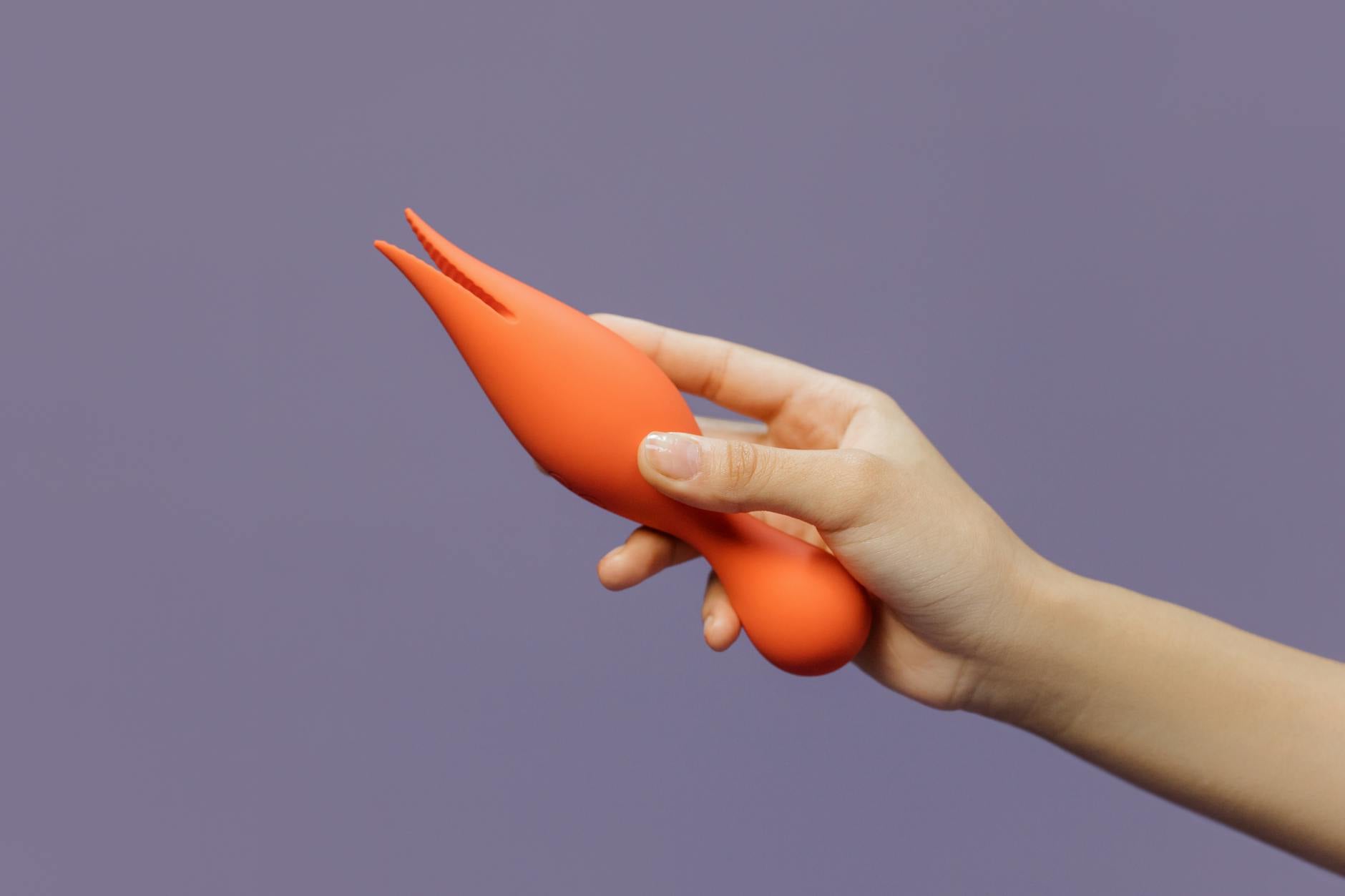
How to Use Lemon Vibrators With a New Partner for the First Time
That conversation doesn't have to be awkward. Here's how to introduce a lemon sucker naturally, keep things comfortable, and actually enjoy the moment together.
Introducing a lemon vibrator to a new partner ranks somewhere between "bringing up your student loans" and "that weird family story" on the awkwardness scale. It doesn't have to live there. The conversation is actually easier than you think, and what happens after is usually better than whatever anxiety you're building up in your head right now.
The thing nobody tells you: most partners are relieved when you bring it up first. It signals that you know what feels good to you, that you're not afraid to ask for pleasure, and that you trust them enough to be honest. Those are all sexy things.
Here's what makes this work: clarity beats surprise, every single time. Surprising a partner with a vibrator can land anywhere from "hot" to "why didn't you tell me you weren't satisfied," and you can't predict which until it's too late. Prevention is one conversation.
The frame matters too. This isn't "I need a toy because something's wrong." It's "This is something I like. I want to experience it with you." Totally different energy.
That distinction comes from Gottman research on how couples introduce new things sexually. The ones who normalize it as exploration (rather than a fix or a rejection) stay more connected and actually have more fun with it. So your opening move sets the whole tone.
Don't do this mid-sex when things are already heated. Pick a moment that's calm, clothed, and has some privacy. A weekend morning with coffee, an evening after dinner when you're on the couch talking anyway, or even a car ride where you're not making eye contact (that can actually feel less intense).
The best conversations happen when you're both relaxed and there's zero pressure to act on anything right then. You're just talking. You're exploring an idea together, not executing a plan.
Avoid bringing it up when they're stressed, tired, or distracted. Your new partner is more likely to feel defensive or shut down if they're already depleted. Give them the gift of a moment where they can actually think and respond thoughtfully.
Start with something like: "Hey, I wanted to talk about something. I've been using a lemon vibrator on my own, and I really like it. I'd love to try it together sometime if you're open to that. No pressure at all."
Notice what's happening there. You're being specific (lemon vibrator, not "a toy"), you're owning your pleasure ("I like it"), you're including them ("with you"), and you're giving them an out ("if you're open," "no pressure").
What to avoid: "I don't think you're doing it right" or "I need this" or "Let's try this because I read about it." Those versions make it about them being insufficient. This is about expansion, not correction.
If they seem hesitant, ask why. Really listen. Sometimes it's "I don't know much about toys and feel awkward." Sometimes it's "I worry you'll prefer it to me." Sometimes it's just "I need to think about it." All of those are fixable things, but only if you know what's actually happening.
Start slowly. Don't pull out a lemon clitoral vibrator the second you get undressed. Let foreplay happen first. Build arousal the way you normally would. The vibrator is not a shortcut, it's an enhancement.
Have your partner use it on you, not the other way around initially. This does two things: it removes any pressure you might have about performance, and it lets them see what you like without having to narrate every second. Their hands can stay involved. They can feel what's happening. It's sensory for both of you.
If you're comfortable being more direct, you can guide them: "A little slower here," or "Try that spot again." Most partners actually want that feedback. They want to know what works. Giving it isn't criticism, it's a gift.
Your body might respond differently than it does when you're alone. That's normal. You might not orgasm the first time. That's also normal. The goal here isn't to hit a finish line, it's to introduce something new and see how it feels with them. Takes some of the pressure off.
Emotionally, watch for your own anxiety. Are you waiting for them to think something's weird? Are you narrating in your head instead of actually being present? Catch yourself doing that and come back to the moment. Your partner is usually more interested in your pleasure than in whether this is what they expected.
Keep talking during and after. "That felt good" or "I liked when you did that" or even "That wasn't quite right, let's try something else." You're building a shared language, not performing for an imaginary audience.
First, don't make it a big deal. Seriously. "Okay, no problem. We can just stick with what we've been doing" is a complete sentence. No pouting, no negotiations, no lectures about sexual health.
If you want to explore it later, give them space. Maybe they're nervous about the noise, or they're worried they're not doing it right, or they have insecurity about their body that has nothing to do with you. Sometimes people need time to come around to an idea. That's their right.
You can always revisit it later, in a different way. "I've been thinking about that thing we talked about. Want to try it?"
But also be honest with yourself. If this is something that matters a lot to you and your partner is consistently uninterested, that's information. Mismatched desires around pleasure can become resentment if you're not careful. How to Restart Lemon Vibrator Pleasure After Long-Term Relationship Changes has some deeper frameworks if you're navigating longer-term partnership shifts.
You've introduced a lemon sucker, you tried it together, it felt good. Now what. Let it become normal. Use it sometimes, don't use it sometimes. Experiment with different patterns and speeds. Let them try different techniques. Let it just be part of your sex life without making it A Thing every time.
The couples who get the most out of this kind of exploration are the ones who can laugh, adjust, try something different if the first approach doesn't work, and generally treat it like they're solving a puzzle together instead of performing in a movie.
One more thing: if your partner opens up about their own preferences or things they want to try, receive that the way you want them to receive this. Match their vulnerability. Make it safe to ask. That's the real win here, way more than the vibrator itself.
Most partners are relieved to know what feels good to you. It removes the guesswork. If anything, it usually increases pleasure and connection because you're being honest about your body. Best Lemon Vibrator Settings for Different Types of Pleasure can also help you both find settings that work well together.
Not at all. You can use lemon vibrators in your own time and together with your partner. Those are different experiences serving different purposes. Wanting both is completely normal and healthy.
That's great. You're both expanding your own pleasure practices. You can talk about when and how, but the basic idea that they get to explore too is healthy.
The longer you wait, the more you build it up in your head. Just rip the band-aid. "I realized I never mentioned this, but I use a vibrator sometimes and I'd like to try it together." The awkwardness is in the anticipation, not the actual conversation.
Tell them that. "I really appreciate this, and I want to choose the one that feels right for my body. Can we go pick one out together?" How to Choose the Right Lemon Vibrator for Your Body Type walks through that process. Making it a couple's outing can actually be really fun.
Yes, when it's done with honesty and openness. You're communicating, you're being vulnerable, you're asking for what you want, and you're saying yes to each other's pleasure. Those are the actual foundations of sexual intimacy. The vibrator is just the vehicle.
You're not being weird or demanding by introducing a lemon clitoral vibrator to your new partner. You're being honest, which is the thing that actually builds trust. The conversation takes five minutes. The awkwardness is entirely in your head. Most partners, once they get over the initial surprise, are genuinely interested in your pleasure and want to explore it with you.
Start the conversation calm and clothed. Be clear about what you want. Give them space to respond. Stay present if you try it together. And remember that this isn't about the toy, it's about you knowing what feels good and being brave enough to ask for it.