The conversation nobody wants to start
Honestly though, most couples don't talk about sex toys. They talk around them. They drop hints. They leave browser tabs open. They buy them secretly and hope their partner doesn't ask questions. And then both people are quietly wondering if bringing lemon vibrators or clitoral vibrators into the bedroom would actually make things better, but nobody says it out loud.
Here's what I tell couples in my practice: the conversation you're dreading is the conversation that changes everything. Not because lemon vibrators are magic (they're not). But because the act of naming what you want, out loud, to your partner, is the actual magic.
Why this conversation feels so hard
There are a few things running in the background when you think about bringing it up. The first is shame. There's still a cultural myth that "needing" a toy means something is wrong with you or your partner. It doesn't. It means you're curious, which is healthy. It means you want more pleasure, which is reasonable. It means you're thinking about your shared intimate life, which is literally the opposite of taking each other for granted.
The second is vulnerability. Talking about sex is exposing. You're saying "here's something I want, here's something that might make me feel good." That's risky because your partner could say no. They could react badly. They could make it weird.
The third is a mismatch in how people think about sex toys. Some people see them as something you use alone. Others see them as something couples use together. Some people think they're a replacement. Others see them as an addition. You can't know where your partner stands until you ask.
The setup matters more than the words
Timing is everything. Don't bring this up during sex. Don't bring it up when you're frustrated about your sex life or when you're in the middle of an argument about something else. Do bring it up in a relaxed moment, ideally not right before bed when either of you is tired.
I usually recommend doing this somewhere neutral. Not the bedroom, not during intimacy. Maybe over coffee, maybe on a walk. Somewhere you can both talk without feeling performed for.
Start with curiosity, not criticism. The frame is "I've been thinking about something I'd like to explore with you" not "Our sex life needs improvement." Those are wildly different conversations, and the second one puts your partner on the defensive before you've even said the word vibrator.
How to actually bring it up
Here are three opening moves that work:
The direct route: "I've been curious about trying lemon vibrators or clitoral vibrators during sex. I think it could feel really good, and I'd love to explore that with you. What do you think?"
The research route: "I read something about lemon vibrators for couples, and it got me thinking. Would you ever want to try something like that together? I'm genuinely curious what you'd think."
The permission route: "If you ever wanted to try something new in bed, I'd be open to it. There's something I've been curious about. Are you game to talk about it?"
All three versions do the same thing: they're honest, they frame it as a team activity, and they ask for consent before you launch into details. You're not trying to convince your partner. You're checking if they're interested in the conversation.
Here's what happens next. Your partner will probably say one of three things. "Yeah, let's talk about it." "I'm not sure, tell me more." Or some version of no. If it's a no, that's information. It doesn't mean no forever. It might mean "not right now," or "I need to think about it," or "not that specific thing but maybe something else."
What to explain if they're interested
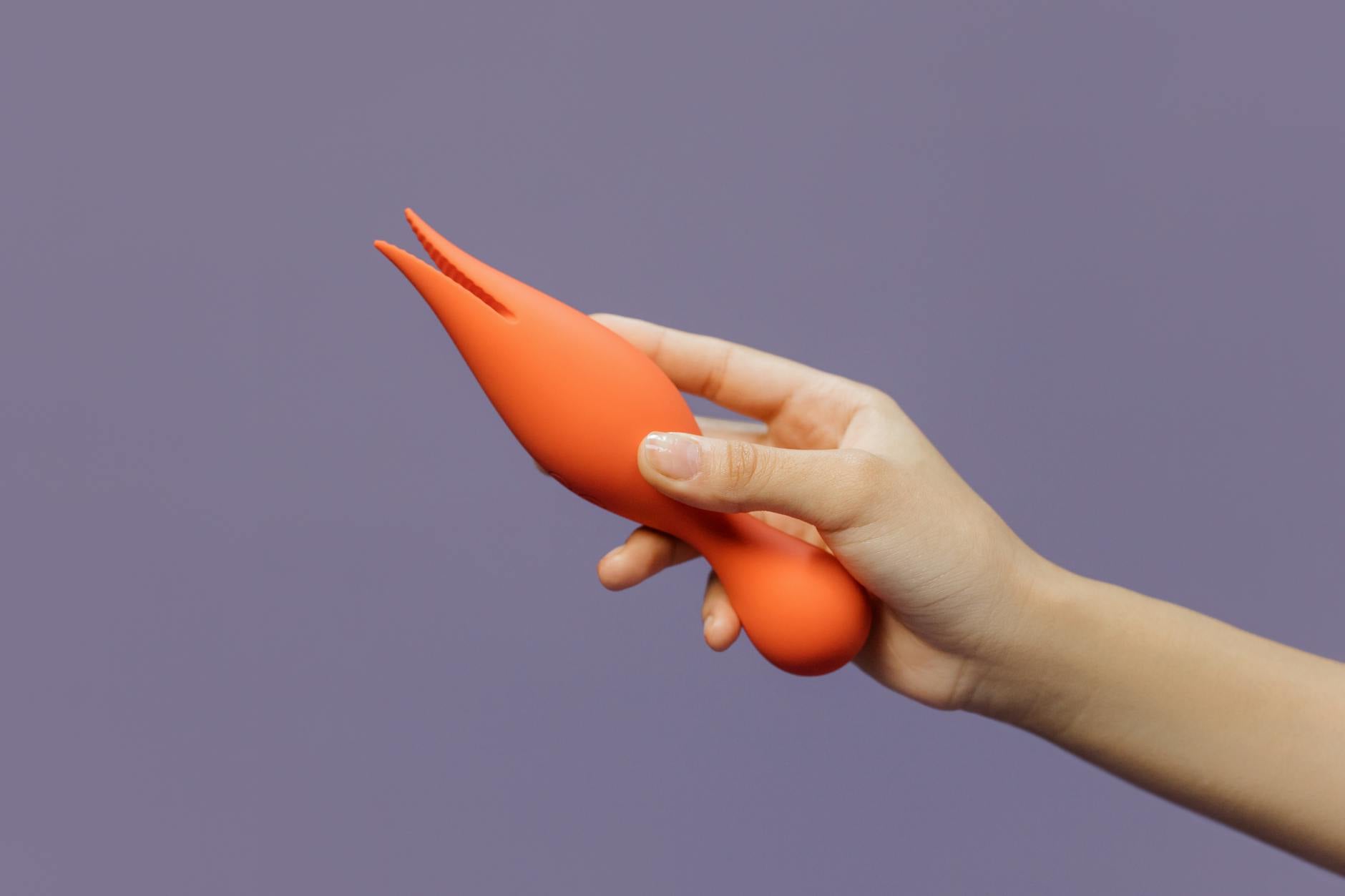
If your partner is open to the conversation, keep it practical. Explain what lemon vibrators actually are. They're not vibrators in the traditional buzz sense. They're clitoral vibrators that use suction or pulsing patterns instead of straight vibration. They feel different than the vibrators most people have tried before.
Why this matters for couples: they work best when you're both present and aware. You can't just hand someone a toy and disappear. There's an element of discovery and exploration that actually requires attention and communication. In other words, it forces you both to stay engaged.
Then talk about how you'd use it. Would both of you touch it? Would one person hold it? Would it be something you use every time or occasionally? Would it replace other things or add to them? These aren't sexy questions, but they're the questions that prevent confusion and disappointment later.
The resistance you might hear
Your partner might say something like "Don't I satisfy you?" This is the defensive move. The thing to know is that this isn't actually about you or your satisfaction. It's about their insecurity or their belief system about what sex "should" look like.
Here's how you reframe: "This isn't about you not being enough. This is about both of us having more fun. When I use a lemon vibrator or other clitoral vibrator, I can get to orgasm faster, and then we can spend more time together. It's not a replacement. It's a tool."
Your partner might also say "That feels weird" or "I'm not comfortable with that." Both are fine. You don't need to push. You do need to know whether "not now" or "never" or "maybe later." That conversation is worth having.
Some partners worry it means you're not attracted to them anymore. You can address this directly: "I'm still attracted to you. This is about exploring more pleasure together, not about what's wrong with how things are."
The consent conversation that keeps working
Once your partner is on board, you need micro-agreements about specifics. These sound clinical, but they're actually what keeps both of you feeling safe and connected.
Talk about sensation. Will your partner touch the toy? Will they watch? Will they hold it? There's no right answer. Different people want different things, and that can change week to week.
Talk about pace. Are you exploring solo first and then bringing it in together? Are you trying it the first time you feel ready? Are you setting a specific night for this experiment?
Talk about what turns it off. If either person feels weird or uncomfortable during the experience, what's the signal? You don't need a formal safe word if you don't want one. Sometimes "I feel strange about this" is enough.
Photo by cottonbro studio on Pexels
The awkwardness that actually helps
Here's something I've noticed in couples who do this well: the first time is slightly awkward. You're both a little self-conscious. Someone giggles. Someone loses focus. It's fine. That awkwardness is actually bonding. It means you're both trying something new together, which creates a shared memory and a shared joke.
The couples who struggle are the ones who put too much pressure on it being perfect or mindblowing. It's probably just going to feel different. You might like it immediately. You might need time to adjust. You might discover that a lemon clitoral vibrator works better during solo play and you'd rather stick with your original rhythm during partnered sex. All of that is data, not failure.
After the conversation
Once you've talked and you're actually trying something new, the conversation doesn't end. You'll want to check in after. Not immediately, not in a debriefing mood. Maybe the next day or later that week, just a casual "So, what did you think?" Real feedback. What felt good? What felt awkward? Do you want to do it again? Would you change anything?
I've also seen couples benefit from framing this as part of an ongoing exploration. You're not solving a problem. You're opening a door. That means the conversation stays light, iterative, and connected to curiosity rather than performance.
The real reason this matters
When I work with couples, the ones who stay connected over decades are the ones who can talk about sex, desire, and pleasure without shame. They talk about it often. They bring it up casually. They're willing to try new things. They're not afraid to say what they want.
Lemon vibrators or any other tool is just an excuse to have that conversation. The conversation itself is what matters. Once you've said "I want to explore this" out loud, the next thing is easier. And the thing after that.
Your partner might surprise you. They might have been thinking about something similar. They might have questions you never expected. They might want to bring their own ideas into the mix. That's the best outcome because it means you're not just adding a toy to your sex life. You're building a shared conversation about pleasure, and that changes everything.
People also ask
How do I know if my partner will react badly?
You don't, which is the vulnerability part. But here's what I tell people: a partner who reacts badly to you saying "I'd like to explore something together" is giving you important information about how they handle vulnerability and new things in general. That's about your relationship, not about whether lemon vibrators are a good idea. If you're in a relationship where you can't talk about sex and desire, that's actually the bigger conversation to have.
What if my partner says no?
You listen. No means no. But no also comes with context. Is it "no, never"? Is it "no, not right now"? Is it "no, not that specific thing"? Sometimes a partner who isn't ready for clitoral vibrators is interested in other kinds of exploration. Sometimes they need time. Your job is to hear the no without resentment and then decide if you're okay with that boundary.
Should we buy a toy before or after we talk?
Talk first, almost always. Buying before you've had the conversation sends a message that you've already decided what's going to happen, and now your partner has to react to it. Talking first means you're both part of the decision. If you do decide to get something, you can even choose it together, which makes the whole thing feel like a shared project rather than something one person imposed on the other.
How do I bring up that I've already been using lemon vibrators solo?
Straight up. "I've been exploring solo with a vibrator, and I like it. I think I'd enjoy sharing that with you." There's nothing shameful about that. If anything, it shows you know what you like, which is actually attractive.
What if we try it and it feels weird or bad?
Then you stop. You talk about what felt weird. You decide if you want to try again differently or if it's just not for you both. Some couples do better with lemon vibrators and some don't. That's completely normal. The goal isn't to use toys. The goal is to stay connected and explore together.
How do I bring this up if we've been together for decades?
Actually, long-term couples often have an advantage here. You already have history and trust. The frame is "I want to keep discovering things with you" not "I'm bored." Longer relationships benefit from ongoing curiosity. This is just one expression of that.
The conversation changes everything
I've worked with hundreds of couples, and the ones who talk about desire, pleasure, and curiosity have stronger relationships. Not because they use toys. Because they can be vulnerable with each other. Because they're willing to try things. Because they're not performing. They're connecting.
The lemon vibrator or clitoral vibrator is secondary. The conversation is primary. Once you've had it, the awkwardness of partnered sex starts to lift. You both know that you can ask for what you want and be heard. You both know that pleasure matters and that you're exploring it together.
That's worth way more than any toy.