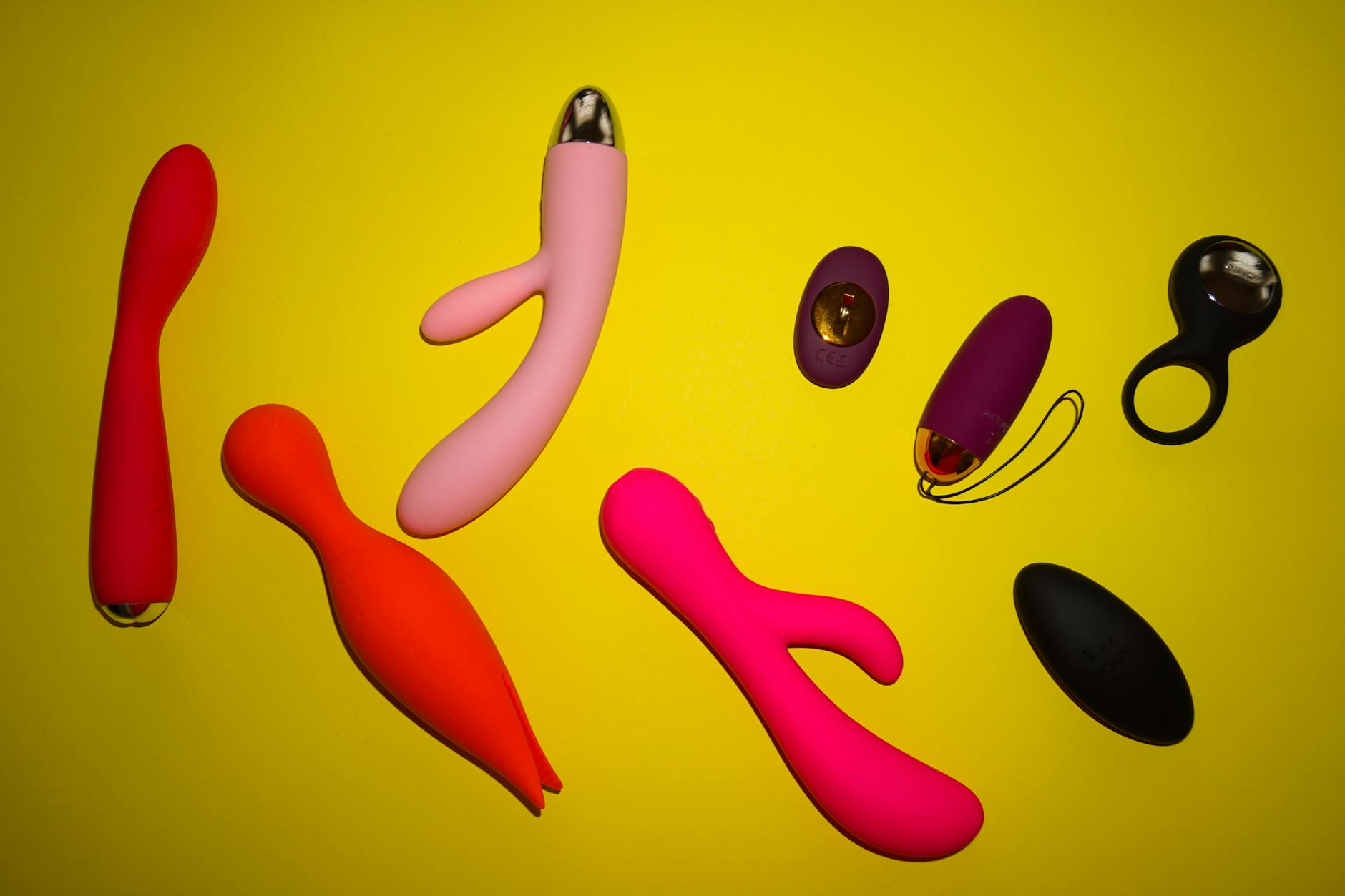
Why Lemon Vibrators Feel Better During Partner Transitions
When your relationship shifts or ends, your body often shuts down. Lemon vibrators help you reclaim pleasure, rebuild confidence, and learn what turns you on outside of partnership.
Let's be real: when a partnership ends or fundamentally changes, desire often vanishes along with it. Not because you've lost the capacity for pleasure, but because your nervous system is in protective mode. Your body was tuned to one person, one dynamic, one set of signals. When that shifts, everything goes quiet.
I see this constantly in my practice. A client ends a 10-year marriage and can't access arousal for months. Another shifts into a long-distance relationship and finds themselves numb where they used to feel everything. Another's partner develops health issues that change their sexual dynamic, and suddenly they're grieving both the relationship and their own sensation.
The good news: this is temporary, fixable, and lemon vibrators are genuinely helpful for moving through it.
When your primary intimate relationship changes, three things happen simultaneously in your body and brain.
First, your arousal template disappears. You were used to a specific touch, pressure, timing, and dynamic. That neural pathway was well-worn. Now it's suddenly irrelevant. Your brain doesn't automatically create a new one. It kind of... pauses.
Second, you're grieving. Even if the relationship ending was right, there's loss. And grief mutes sensation. It's not depression or numbness in the clinical sense. It's your nervous system saying "we don't have bandwidth for pleasure right now." This is normal. It's protective.
Third, there's often shame layered on top. You might feel guilty about masturbating post-breakup, or strange about wanting solo pleasure when your partner is dealing with health stuff, or confused about what you even want anymore outside of "what my partner responded to." All of that static makes sensation harder to access.
What doesn't happen: your clitoris didn't stop working. Your nerve endings didn't disconnect. Your capacity for orgasm didn't vanish. It's all still there. It's just behind a wall of transition.
Here's where lemon vibrators come in. They work differently than traditional vibrators, and that difference matters during relationship transitions.
Traditional vibrators buzz. They stimulate through friction and repetitive pressure. That works fine most of the time, but during a transition, your body often needs something gentler and less demanding. You're not in the headspace for intense sensation yet. You're in rebuild mode.
Lemon clitoral vibrators use suction and pulsation instead. The sensation pulls rather than pushes. It creates negative pressure, which stimulates the clitoris from a slightly different angle. That matters because it doesn't require the same mental presence or arousal buildup that friction-based toys do.
In practical terms: you can turn on a lemon vibrator, place it, and let it work. You don't need to be in a specific headspace. You don't need a partner doing anything. You don't need to recreate a familiar dynamic. You just need to show up.
Many clients report that when they couldn't access orgasm with traditional vibrators post-transition, the suction-based stimulation of a lemon vibrator worked. Not because they're objectively "better" for everyone, but because the sensation is novel enough to bypass the old neural pathway that's now dormant.
There's another piece that's just as important as the physics.
When you're grieving a relationship or navigating a fundamental change in partnership, pleasure can feel like a betrayal. If your partner is struggling, how can you feel good? If you just ended something, shouldn't you be suffering? There's often a weird moral component to arousal during transition.
Using a lemon vibrator solo forces a boundary. It's explicitly for you. It's not about someone else's pleasure or response or timeline. It's not a thing that happened to you in the context of a relationship. It's something you do by yourself, for yourself, on your own terms.
That might sound simple. It's actually revolutionary for people in transition. Because it's the first moment where pleasure gets disentangled from partnership. You're not rebuilding arousal for a partner. You're not performing. You're not trying to match someone else's energy. You're learning what your body wants when the only person involved is you.
I work a lot with couples renegotiating intimacy after kids, health changes, or life shifts. And I always recommend this: before trying to rebuild pleasure together, spend time alone with solo tools. Not to avoid your partner. To remember who you are sexually independent of them. That foundation makes the partnered conversation so much easier.
If you're in a partner transition and want to use a lemon vibrator to rebuild sensation, here's what actually helps.
Start with no expectations. Not "I should be able to orgasm" or "this will help me heal." Just "I'm going to try this." Expectations kill sensation faster than anything.
Use it in the daytime, not just before bed. There's something about mid-afternoon pleasure that breaks the grief-cycle. Nighttime can feel heavier. Daytime feels lighter, like you're giving yourself permission.
Don't use it as a substitute for emotional processing. Pleasure is not therapy. If you're numb because you're in acute grief, a vibrator won't fix that. But once you're past the acute phase and just dealing with muted sensation, it can help wake things up.
Pair it with something that makes you feel good about your own body. A lemon vibrator works better if you're in a headspace where you actually like yourself. That might mean nice underwear, a shower beforehand, time alone in a locked room where you're not managing anyone else's needs. Rituals matter.
If you've been using traditional vibrators without success during your transition, a lemon clitoral vibrator might be worth exploring. The sensation is different enough that it can help your nervous system disengage from the old template and start building something new.
It will. This is one of the few things I'm completely certain about in my practice. Pleasure doesn't disappear permanently. It gets quiet during transitions, but it's not gone.
Sometimes it comes back in weeks. Sometimes it takes months. The timeline depends on what the transition is. A breakup is different from a health shift in your partner. A move across the world is different from changing your relationship structure. But it comes back.
And often, people tell me, it comes back different. Sometimes better. Sometimes they realize they were never that turned on by what they thought they should be. Sometimes they discover they have preferences they've never explored. The lull turns into an actual reset.
The lemon vibrators help because they give you a tool to practice pleasure while you're still figuring out who you are outside of the partnership. They're low-pressure. They work at their own rhythm. And they're explicitly about your sensation, not anyone else's.
You deserve to feel good during transitions, not after them. That's the distinction that changes everything.
Every timeline is different, but in my practice I see most people regain baseline arousal within 3 to 6 months post-breakup, assuming the breakup wasn't traumatic. Acute grief can suppress sensation for longer. But "normal" arousal levels typically return gradually over that window. The key is not forcing it. Using tools like lemon vibrators can help normalize solo pleasure during that time without pressure.
Yes. If you've been in a long partnership where the sexual dynamic became routine or mismatched, your body can actually lose responsiveness to familiar stimulation. A lemon vibrator offers different sensation, which can help your nervous system re-engage. Many people report that after years with a partner, switching to a new type of toy helps them feel things they thought had gone away.
Completely normal, especially if you're grieving or your ex is also grieving. But here's the thing: solo pleasure is not a betrayal. It's actually part of healing. You're reclaiming your own body and your own sensation. That's not selfish. That's necessary. The guilt usually fades once you separate pleasure from the relationship loss in your mind.
That's not the goal. The goal is different, not better. A partner and a vibrator do different things. During transition, a vibrator can help you access sensation when you're alone with your own thoughts, which is valuable. Once you're ready to be intimate with a partner again, that will be its own thing. They're not in competition.
The same way you'd explain any other pleasure tool: honestly and matter-of-factly. "I use this solo" or "I like this as part of our time together" depending on what's true for you. Most partners appreciate knowing what works for you. It takes pressure off them to guess. If a partner responds badly to you having your own source of pleasure, that's information about the partnership, not about you.
Absolutely. When couples are in a rut, solo exploration with tools like lemon vibrators can help each partner reconnect with their own sensation. Then, from that place of "I know what I like," you can bring that back to the partnered dynamic. It's not replacing your partner. It's remembering what turns you on so you can communicate it better.
Partner transitions are hard on your body, not just your heart. Pleasure isn't a luxury you access once everything's settled. It's a form of self-care and nervous system regulation during the unsettled part.
Lemon vibrators help because they're low-friction ways to practice sensation, rebuild confidence, and remember that your body is yours first. During a transition, that matters more than almost anything else.
You're not broken because arousal disappeared. You're going through something real. And you deserve tools and permission to reclaim pleasure on your own terms while you figure out what comes next.
If you're navigating a relationship shift and want to explore how to rebuild intimacy with yourself or a partner, I'm here. Reach out anytime at /contact.