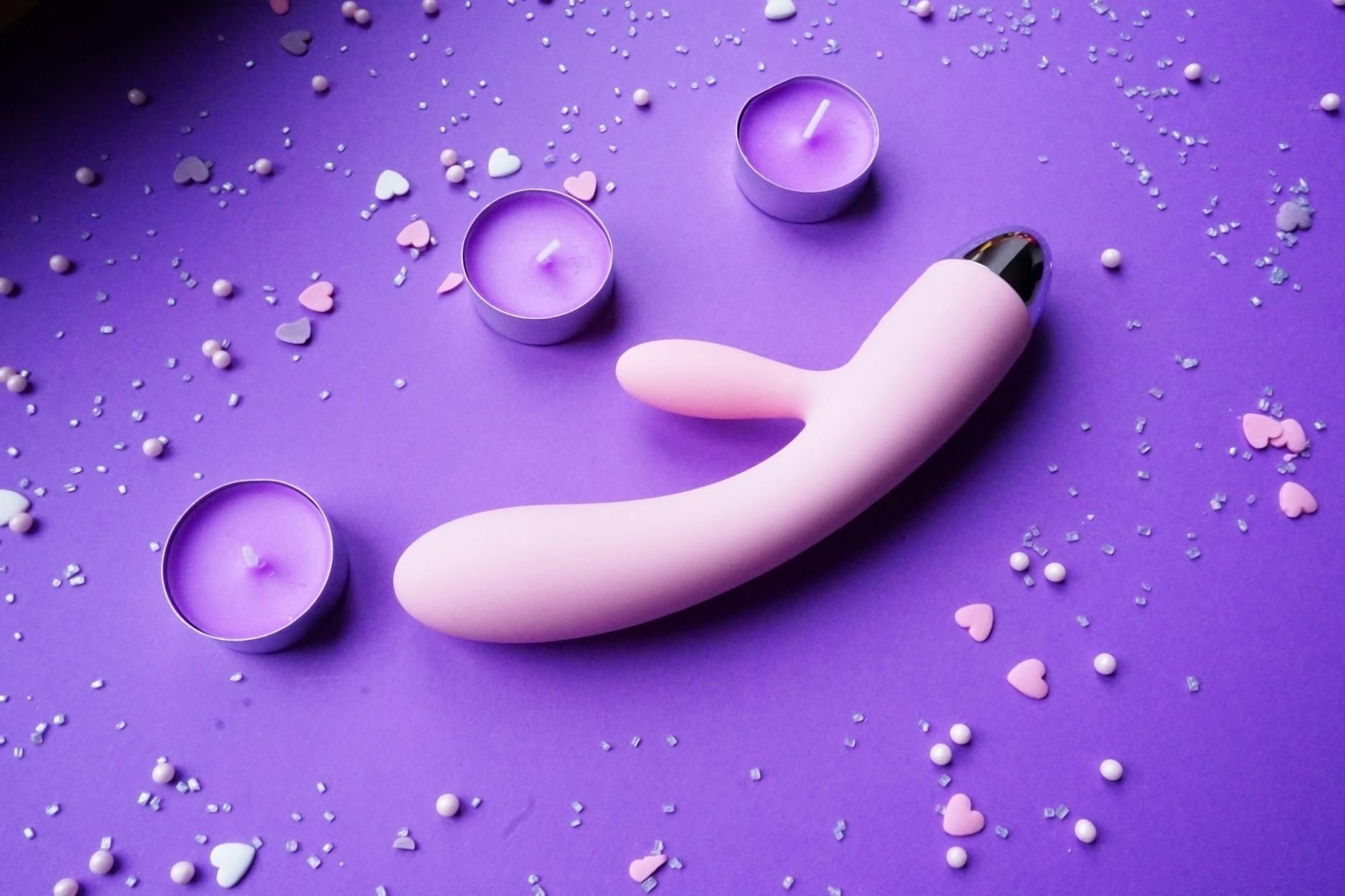
Why Lemon Vibrators Feel Better During Recovery From Injury or Surgery
Suction-based stimulation offers a gentler alternative when your body needs care. What changes during healing, what stays safe, and how to reclaim pleasure on your own terms.
Recovery is boring, frustrating, and weirdly lonely. Your body feels like a borrowed thing you don't quite trust anymore. And somewhere in that fog of healing, you might notice that the usual ways you find pleasure feel off, too restricted, or frankly, painful.
Here's the thing: you don't have to choose between recovery and pleasure. You just need to shift how you approach it. And that's where lemon clitoral vibrators change everything.
Let's be specific about what happens. After surgery, injury, or extended medical treatment, several things shift in your pelvic floor and vulva. Scar tissue can be sensitive. Nerve endings are still figuring out their new map. Your pelvic floor might be tight from tension, medication, or just the stress of not feeling like yourself. Inflammation lingers longer than you'd expect.
Traditional vibrators rely on high-speed oscillation and direct mechanical pressure. When your tissue is healing, both of those feel intense. You end up grinding the vibrator against yourself trying to find a sensation that works, and that friction creates more inflammation, more irritation, more days of discomfort that set you back.
Your brain remembers the pleasure. Your body isn't ready for it yet. That gap is incredibly frustrating.
Instead of vibrating side to side, a lemon vibrator uses gentle suction. It creates a rhythmic pulse that feels less like friction and more like a delicate draw. The sensation stimulates the thousands of nerve endings in your clitoris without requiring direct, sustained pressure against healing tissue.
Think of it this way: a traditional vibrator is a hammer. A lemon sucker is a hand softly cupping your skin. Both can feel incredible. One is just more appropriate when you're still mending.
The suction mechanism also allows you to control intensity in a different way. You're not choosing between full power and off. You're choosing how much of your clitoris enters the cup, which gives you a wider spectrum of sensation without jumping from mild to overwhelming.
Three main shifts happen that affect how pleasure feels:
1. Tissue sensitivity. Healing tissue is swollen and tender. This isn't permanent, but it lasts weeks or months. Direct vibration can feel sharp or burning. Suction feels more like a gentle hug.
2. Pelvic floor tension. After surgery or injury, your pelvic floor locks up. It's a protective response. High-speed vibration can aggravate this tension. The slower rhythm of a lemon clitoral vibrator helps you explore sensation without triggering that guarding response.
3. Mental friction. You're anxious about reinjury. You're frustrated that your body doesn't feel like yours. You're mourning the ease you used to have. All of that gets triggered by the wrong tool. The gentleness of suction-based stimulation lets your nervous system relax instead of brace.
I always tell people: get clearance from your care provider first. That conversation with your doctor or physical therapist takes two minutes and saves you weeks of setback.
Once you have the green light, the timeline usually looks like this:
Weeks 1-2: Rest, focus on healing, no sexual activity. This is non-negotiable.
Weeks 3-4: You can start exploring solo touch if there's no pain or heavy bleeding. This is about reconnecting with sensation, not reaching orgasm. Just gentle exploration.
Weeks 5-6: If exploration feels good, you can try a lemon clitoral vibrator on the lowest setting. Short sessions, just a few minutes. Your body will tell you if it's too much.
Weeks 7-8 and beyond: Most people can work up to their normal patterns by this point, but everyone heals differently. Listen to your body, not a timeline.
Start with external stimulation only. Keep the device a few millimeters away from your skin if you're very sensitive. You don't have to make it go inside anything while you're healing.
Begin on the lowest suction setting. The gentlest pulse. This might feel almost too subtle at first, especially if you're used to powerful vibrators. That's the point. You're letting your nervous system register sensation again without overwhelming it.
Set a timer for 5-10 minutes maximum. Stop if anything feels sharp, burning, or uncomfortable. Discomfort during recovery is information. Listen to it.
Use a water-based lubricant even if you don't think you need it. Healing tissue is drier than usual. A bit of lube reduces friction and makes the suction sensation feel smoother.
Let me be honest: this part matters more than the mechanics. Your body has been through something. You've lost autonomy over it. Medical procedures, injury, pain, tests, people touching you without much choice. Reclaiming the ability to feel good on your terms is a big deal emotionally.
There's often guilt attached. You feel like you should be grateful you're healing and not care about pleasure. But pleasure is part of being human. It's not frivolous. It's actually part of healing. Orgasms increase blood flow, reduce inflammation, release endorphins, and help reset your nervous system out of threat mode.
Give yourself permission to move slowly. If you try a lemon clitoral vibrator and it feels wrong that day, that's okay. If it feels amazing and you want to do it again tomorrow, that's also okay. Recovery isn't linear. Your desire won't be either.
Keep going if: sensations feel pleasant, there's no pain afterward, you feel more relaxed not less, and your healing is on track according to your provider.
Pause if: anything causes sharp pain during or after, you notice increased swelling or bleeding, you feel emotionally triggered or panicked, or your care provider advises against it.
There's also a middle ground. Some people need to wait longer than six weeks. Some people heal faster. Some people find that suction feels good but vibration doesn't yet. Honor that. There's no prize for rushing this.
If you have a partner, this might be a moment to explore together or apart, depending on what feels right. Some people want closeness and intimacy during recovery. Others want solo space to get to know their healing body first. Both are valid.
If you do explore with a partner, the same rules apply. External only. Gentle. Short. Lots of communication about what feels good and what doesn't. Your partner doesn't have to be doing anything. Sometimes just being present while you reconnect with pleasure is the intimacy you need.
Recovery from surgery or injury doesn't have to mean losing access to pleasure. It means being smart about how you approach it. A lemon clitoral vibrator is gentler, more forgiving, and often more effective during healing because it works with your nervous system instead of against it. You're not giving up sensation. You're just choosing the version that fits where your body is right now. That's smart self-care, and you deserve it.