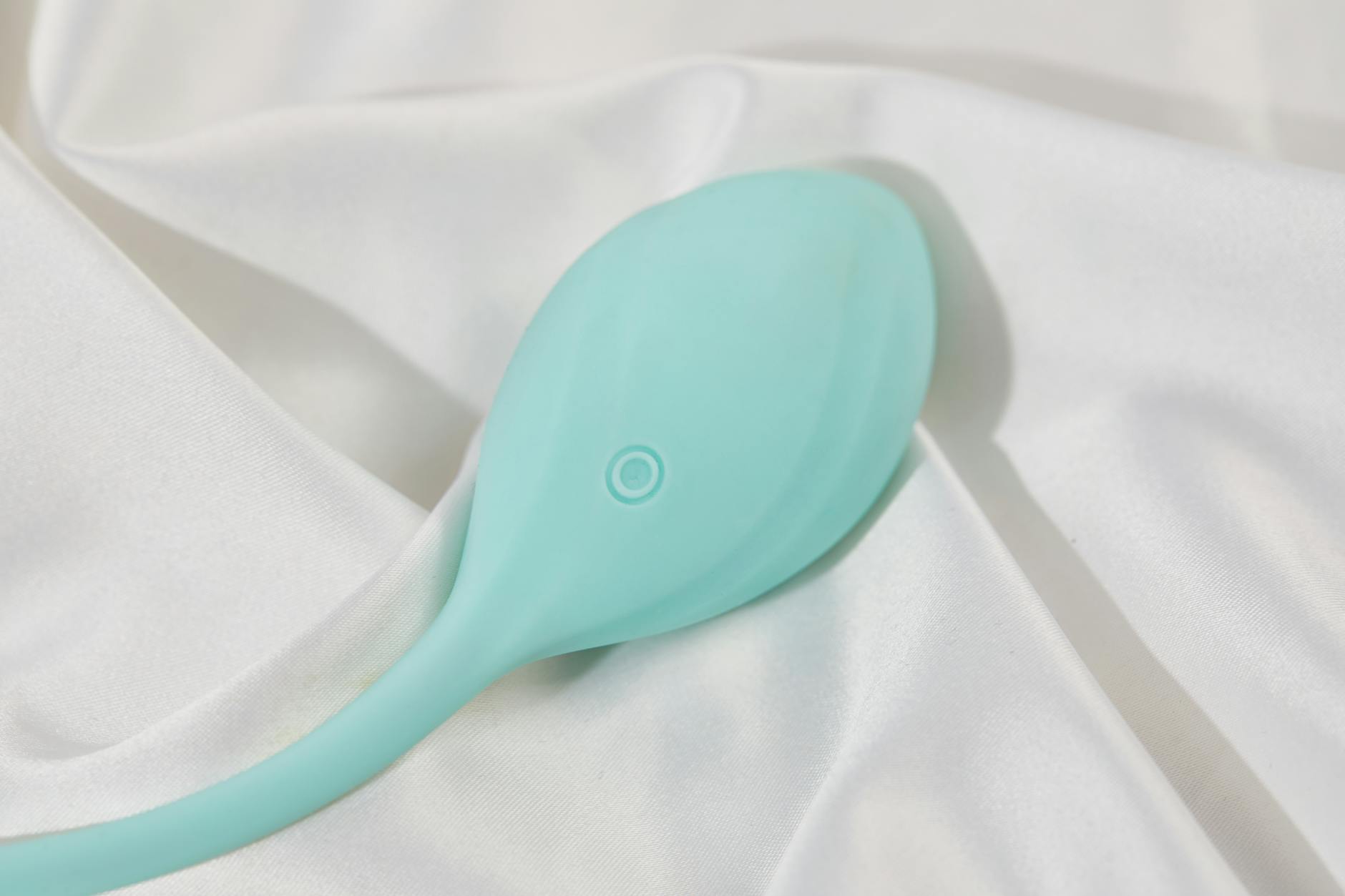
If you've only ever used a traditional vibrator, you might assume all stimulation works the same way. It doesn't. A lemon sucker like the Lem operates on a completely different principle than a standard clitoral vibrator, and the difference is neurological, not just cosmetic.
Here's the thing: vibration is one type of touch. Suction is another. Your body registers them separately, sends them up different neural pathways, and processes them through different pleasure centers in your brain. That's why so many people who switch from buzz-only vibrators to a lemon clitoral vibrator report orgasms that feel sharper, deeper, or arrive faster than they expected.
A standard vibrator—whether it's a wand, bullet, or rabbit—creates rapid, repetitive pressure against the skin. That pressure activates two main types of nerve endings: Meissner's corpuscles (which sense light touch) and Pacinian corpuscles (which sense vibration and pressure change). Essentially, the vibrator is telling your nerves "fast movement, fast movement, fast movement" over and over.
It's effective. Millions of people orgasm this way every day. But it has a ceiling: the nerve endings that detect vibration can adapt to repetitive stimulation, which is why you might need to keep increasing the intensity to feel the same buzz.
Traditional vibrators also stimulate a broad area of tissue. They're good at diffusing sensation across the vulva. Sometimes that's exactly what you want. But it also means less concentrated activation of the densest nerve clusters.
Lemon sexual toys like the Lem use pulsed suction. Instead of vibrating side to side or up and down, they create a gentle vacuum that rhythmically draws tissue upward into a small opening. This is mechanically different from pressure, and your nervous system knows it.
Here's the neurology: suction activates the same nerve endings, but it does so by change of pressure and sustained gentle pulling, not rapid repetition. Your Pacinian corpuscles light up, yes, but the signal is qualitatively different. It's less "buzz buzz buzz" and more "pull-release, pull-release, pull-release."
That sustained rhythm can feel less fatiguing to your nerves and often feels more intense to your brain because the sensation is more localized. Instead of stimulating a 2-inch radius, a lemon clitoral vibrator concentrates sensation on the clitoral bulb and the glans, which houses about 8,000 nerve endings in a very small space.
Density of sensation isn't just about intensity. It's about signal clarity. When you're stimulating a huge area with vibration, your brain is processing input from thousands of nerve endings across a broad region. When you're using suction focused on a small area, your brain gets a clearer, more focused signal.
This is similar to the difference between a floodlight and a spotlight. Both light up the space, but the spotlight creates more contrast and definition. Your pleasure receptors respond to contrast.
For people with sensitive vulvas, this can actually feel gentler overall despite being more intense, because the pressure is distributed over less tissue. This is one reason lemon vibrators work particularly well for sensitive skin. The suction pulls tissue gently into the opening rather than pressing down on it, changing the mechanics of how force is applied.
Many people report reaching orgasm faster with a lemon sucker than they do with traditional vibrators. There are a few reasons why.
First, suction creates novelty. Your nerve endings have been buzzing for years, possibly decades. They might be somewhat habituated to that sensation. Suction feels new, which keeps your nervous system alert and responsive.
Second, suction mimics natural stimulation more closely than vibration does. During partnered sex, pressure and subtle pulling sensations are common. Suction replicates that more realistically than a buzzing vibrator does, so your body recognizes and responds to it faster.
Third, the concentration of sensation on the clitoral glans means you're activating more of the dense nerve endings faster. Your brain gets the signal more clearly and can escalate arousal more efficiently.
None of this means traditional vibrators don't work. They do, beautifully. But if you've been using the same type of toy for years and feel like you've hit a wall with intensity or speed, switching to a lemon sexual toy can feel like discovering touch all over again.
The subjective experience varies, but here's what I hear most often from people who switch: it feels more like oral sex than vibration does. The suction creates a sensation that's closer to the gentle pulling of a mouth than the buzz of a motor ever gets. That's not coincidence. Oral sex involves both suction and subtle movement, and a lemon vibrator replicates the suction part precisely.
Many people also report that the sensation builds differently. Traditional vibration often feels like a steady climb in intensity. Suction tends to create a sharper peak, with orgasms that feel more explosive or concentrated. Again, this isn't universal—everyone's nervous system is wired differently—but it's a consistent pattern.
If you're someone who's found that you need extremely high vibration settings to feel anything, or if you've been using the same vibrator so long that it barely registers anymore, a lemon clitoral vibrator is worth trying. Your nerves might just be ready for a different type of signal.
If you use toys with a partner, this difference matters for communication. A traditional vibrator might be something you use during solo play that's separate from partnered sex. A lemon sucker often integrates more naturally into partnered touch because the sensation is closer to what hands and mouths can do. You might want to explore a lemon vibrator together rather than as a solo tool, which shifts the dynamic. If that interests you, we have a whole guide on how to use a lemon vibrator with your partner that covers communication and integration.
One of the best things about lemon sexual toys is that most come with adjustable suction intensity. Unlike a traditional vibrator where you're basically choosing between buzz speeds, you can dial in the suction strength that feels right for your body.
Starter settings are usually gentler, which is helpful if you have sensitive tissue or you're new to suction stimulation. Mid-range settings give you more pull without becoming intense. Highest settings create the kind of strong suction that some people find most effective for rapid orgasm.
This adjustability means one toy can work for different sessions, different moods, and different levels of arousal. On nights when you want something gentle, dial it down. When you want something more aggressive, ramp it up. You're not buying multiple toys to get the range of sensation.
Suction replicates the gentle pulling sensation of a mouth more accurately than vibration does. Oral sex involves both suction and subtle movement, and a lemon vibrator captures the suction component precisely. Your nerves recognize that it's a closer match to something natural.
Yes. Start with a lower suction setting and spend time getting used to the sensation. If you want a guided approach, we have a full guide on how to ease into lemon vibrators if you've never used one before. Suction feels very different from vibration, so giving yourself permission to explore at your own pace is important.
Not necessarily less intense, but different. The sensation is more concentrated and focused rather than broad and buzzy. Some people find the concentrated sensation feels more intense; others find it feels more precise but less overwhelming. Adjustable suction lets you find your sweet spot.
Yes, often. Because suction pulls tissue gently into the opening rather than pressing down on it, the mechanics are gentler on delicate skin. If you have vulvovaginal sensitivity, a lemon clitoral vibrator might feel more comfortable than traditional vibration. Our guide on why lemon vibrators work better for sensitive skin goes deeper into this.
Yes, and it might feel especially good if traditional vibrators have felt less effective. Thinner tissue post-menopause responds beautifully to suction because the sensation doesn't rely on heavy pressure. You can read more about how this works in our guide on using lemon clitoral vibrators after menopause.
Then traditional vibrators are right for you. Some people find that suction never clicks for them, and that's completely normal. Bodies are different. The goal is finding what works for your nervous system, not what works for anyone else.
Lemon vibrators and traditional vibrators are tools that work through different mechanisms. Neither is objectively better. But if you've been using the same type of toy for years and want to try something that activates your nerves differently, a lemon sucker offers a genuinely different sensation that many people find more intense, more focused, and faster to orgasm.
Your pleasure response is worth experimenting with. If you're curious, start with adjustable suction on a lower setting and let your body tell you what it needs.