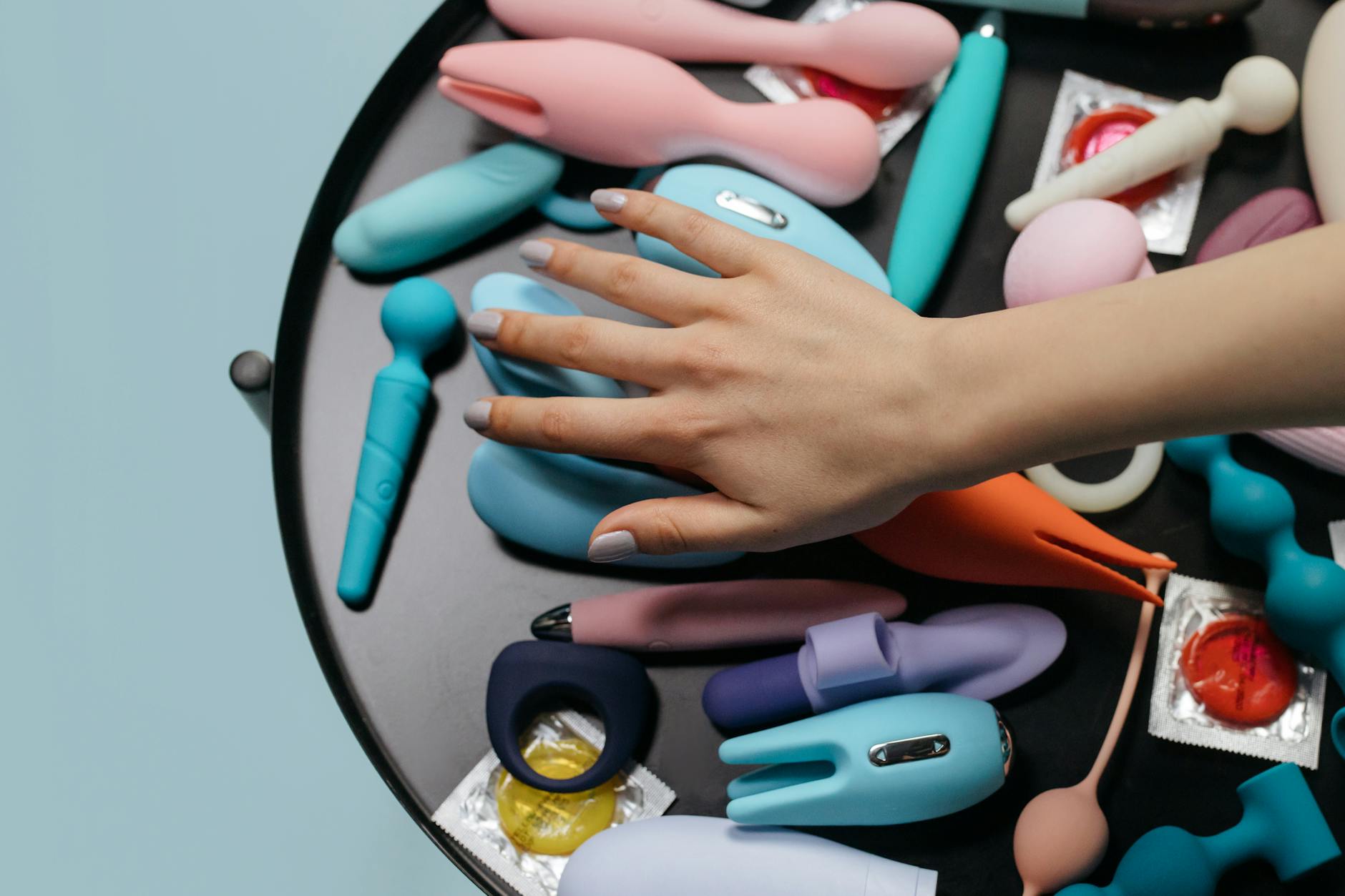
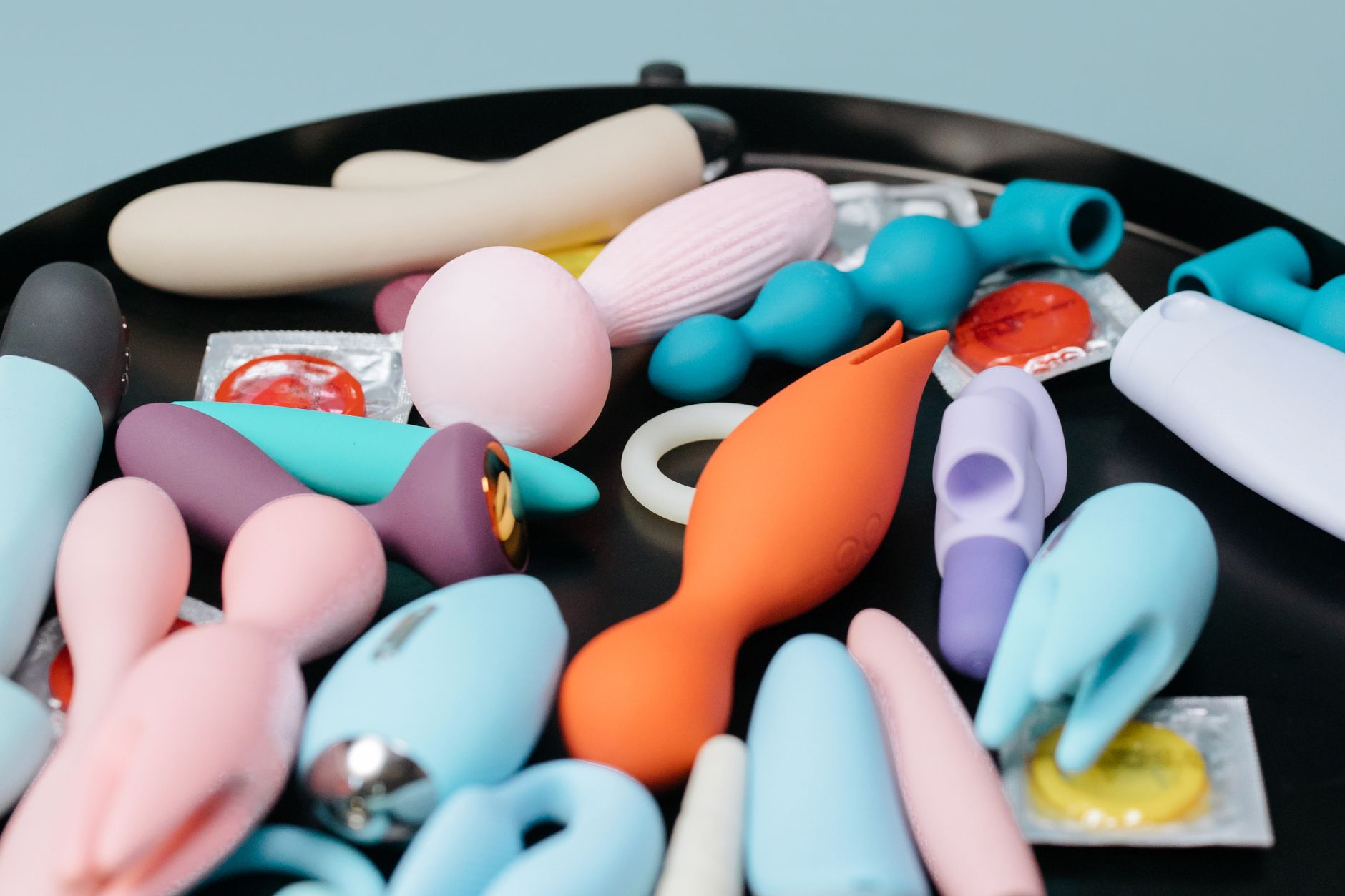
Why Lemon Vibrators Feel So Different With New Partners
Everything changes when someone else is in the room. The physical sensation shifts, yes, but so does the psychology, the timing, and what pleasure actually means.
Using a lemon vibrator alone and using one with a new partner are not the same activity. The device is identical. Your body is the same body. But something shifts fundamentally the moment another person enters the equation, and it's worth understanding what that actually is.
I work with couples navigating this transition constantly. The surprise isn't usually negative. It's just disorienting. You know how your body responds when you're solo. You've found your rhythm, your patterns, what feels good. Then a partner appears, and suddenly none of those rules apply the same way.
Let's separate the psychology from the physiology, because they're different problems.
Physiologically, arousal is faster and often more pronounced with a partner present. Your nervous system reads the presence of another person as a signal of safety and desire, which triggers a cascade of hormonal changes. Adrenaline, oxytocin, dopamine all shift. Your body tightens differently. Your breathing synchronizes without anyone saying "okay, breathe together." Blood flow redirects. The clitoral tissue itself becomes more engorged and sensitive, which can feel amazing or overwhelming depending on the day.
Many people report that using a lemon vibrator with a partner creates sensations they literally cannot create alone, even with the same device at the same setting. That's neurobiology, not imagination.
But here's what's equally true and gets almost no airtime: psychologically, you're juggling at least three things at once now. You're managing your own pleasure, your awareness of their presence and response, and what you think you "should" be feeling or looking like in front of them. Solo, you have zero of that cognitive load. That matters way more than people admit.
Using a vibrator alone is about you. Using one with a partner is about consent, timing, communication, and risk. Even if you trust someone deeply, the first time you use a lemon vibrator with them is an exposure. They're watching. They're present. They might misjudge what you want, touch you when you're in a specific groove, change the rhythm right when you were building to something.
This isn't pessimistic. It's just human. The vulnerability of saying "yes, I want this, and I want you to see it" changes your nervous system's baseline. Some people find that vulnerability itself is the hottest part. Others find it kills the mood entirely at first. Both are normal.
I've had clients tell me that their first few times using a lemon vibrator with a new partner felt clinical. They were so aware of the other person that they couldn't actually feel anything. Then, after maybe the third or fourth time, something clicked. The awareness didn't disappear, but it became part of the turn-on rather than a block. That shift typically happens around the moment when you stop performing and start connecting.
This is less mystical than it sounds. When you're using a lemon clitoral vibrator alone, you're probably paying attention to subtle feedback. You adjust the pattern slightly, change the angle, pull away if it gets too intense. You have total micro-control.
With a partner, that control is partly distributed. They might hold the device, which changes the angle and pressure immediately. The rhythm stays steady when you wanted variable pressure. Or they speed up right when you were going slower. These aren't problems. They're just different input.
Many people report that their favorite sensation with a partner is actually a setting they'd never use alone. The Lem at pattern 3 alone feels good. The Lem at pattern 3 held by someone else while they're touching your back or kissing your neck feels like something entirely new. Context rewires sensation.
Here's something nobody warns you about: when you're responsible only for your own pleasure, you can take however long you need. Twenty minutes. Two hours. Doesn't matter.
With a partner, even in a relationship where everyone's on board with taking time, something shifts internally. You become aware of their endurance, their focus, their pleasure. You might rush yourself unconsciously. Or you might feel pressure to come within a "reasonable" timeframe, which is its own kind of friction.
This is where communication becomes less of a nice-to-have and more of actual infrastructure. Talking beforehand about expectations, rhythm, and what you each need removes this invisible pressure. "I want to use this with you and I have no idea how long it'll take for me to finish" is unsexy in a sentence. In practice, it's liberating. Your partner knows they're not on a clock. You know you're not being observed or judged. Space opens up.
Trust isn't binary. You can trust someone emotionally and still not trust them physically with a new device or sensation. These are different things.
Early in a new relationship, your body may not respond the same way it does when you have longer history with someone. That's not a character flaw. It's your nervous system being slightly defended. You don't know yet if this person will tease you later, or respect your boundaries if you ask them to stop, or remember that you hate having your inner thighs touched. These unknowns create subtle tension.
This is why many therapists and sex educators recommend that couples introduce toys after there's already some sexual history and familiarity. Not because there's a rule against doing it early. But because it's easier to learn a device's nuances when you're not simultaneously learning how your partner touches you.
If you're introducing a lemon vibrator into a new relationship, that's fine. It's just worth knowing you might need a few more iterations before it feels as intuitive as it does alone.
Separate exploration and coupling. Use your lemon vibrator alone a few times first so you know what you actually like. Then introduce it with your partner from a place of clarity, not curiosity. There's a difference.
Use words beforehand. Not scripts, just "I want to use this and I like it at setting two" or "I have no idea if I'll finish so don't expect that." Removing the guesswork reduces everyone's anxiety.
Let them watch first. Some couples find it easier for the partner to simply observe the first time, without participating. They see what you like, how your body responds, what the device actually does. Then participation becomes informed rather than fumbling.
Normalize the awkwardness. The first time using any toy with a new person is often weird. Someone's elbow bumps the device. The angle gets uncomfortable. You lose focus. This is not a failure. It's foreplay.
Pay attention to aftercare, not just pleasure. After using a lemon vibrator with a partner, check in. Not because something went wrong, but because vulnerability created a bridge. "That was intense" or "I felt exposed" or "I loved that" all deserve to be heard. That conversation is often what actually cements the difference between solo and partnered pleasure.
The nervous system can't lie. If someone creates safety, and you trust them, your body opens up in ways that solo use literally cannot match. The best orgasms many people report aren't with toys alone. They're with a partner present, often while using a toy, in a context of deep trust.
For some couples, introducing lemon vibrators into their intimate life is the moment when sex goes from a comfortable routine to something genuinely connected. A device can do that. But only if the relational infrastructure is there first.
The device itself is simple. It's the person holding it that changes everything. That's not a limitation of using a vibrator with a new partner. That's the entire point.
The physical sensation genuinely is different because your partner's angle, pressure, and rhythm are different from what you'd do alone. But the bigger factor is psychological. When someone else is controlling the device, you're not micro-managing it. Your nervous system responds to their presence. The same pattern at the same intensity will feel different because the context is different. Trust, comfort, and how aroused you already are all shift the sensation. This is normal and usually requires a few sessions before it feels integrated.
Not weird at all. Orgasm requires a certain neurological state, and the awareness of being watched or judged can disrupt that. You're managing more variables: their pleasure, their perception, the performance aspect of being observed. Some people adapt quickly. Others need time. The solution is usually communication beforehand and removing the expectation that you will finish. When you let go of the outcome, the outcome often arrives.
There's no rule, but there's a practical answer. Earlier in dating, you're still learning each other's bodies and preferences. Adding a new device adds complexity. You don't yet know if your partner will be respectful if you need them to stop, or if they'll remember what you said you liked. That matters more than you'd think. Many couples find it easier to introduce toys after three to six months of regular sexual contact, when there's already trust and rhythm. That said, if you both want to explore it earlier, go ahead. Just know you might need more iterations before it feels seamless.
Because you're exposed. You're showing someone what turns you on, how your body responds, what you need to feel pleasure. That's vulnerable, and our bodies read vulnerability as potential threat, even in safe situations. The self-consciousness usually fades as you use the device more, as your partner proves themselves trustworthy, and as you get evidence that they're genuinely turned on by your pleasure. Shame thrives in silence. It dies in repeated positive experiences.
Completely the opposite. Toys with partners are tools for deeper connection, not replacements for it. Plenty of couples who use vibrators together report stronger intimacy, better communication, and more satisfying sex. A device doesn't replace what your body or your partner's touch provides. It adds dimension. The fact that you're exploring it together means you're communicating about pleasure, which is exactly what long-term intimacy needs.
There's no magic timeline. Some couples introduce toys on date four. Others wait a year. What matters more than timing is emotional safety and clear communication. You want to introduce it from a place of "I want to share this with you" not "I need this to be satisfied" or "I'm testing if you'll judge me." If you're in a place where you trust your partner with vulnerability, you're ready. The conversation might take three minutes or thirty. The device itself doesn't care about the clock.
Your lemon vibrator isn't different. You are. The moment another person enters the room, your nervous system is running a different algorithm. That's not a flaw in using toys with partners. It's a feature. The device becomes a tool for building trust, exploring vulnerability, and deepening connection.
The first time might feel awkward. The second time, less so. By the third or fourth, if there's actual safety and communication, something shifts. You stop performing. Your partner stops overthinking. The device stops feeling like a third wheel and starts feeling like an extension of intimacy.
If you're considering introducing a lemon clitoral vibrator to a new relationship, start with conversation, not device. Let your partner know what you want, what you're nervous about, and what you need from them. Then use the toy from that foundation of honesty. The difference that creates isn't subtle. It's everything.
For more guidance on navigating intimacy in new relationships, check out our piece on how to use a lemon vibrator with your partner, which digs deeper into practical communication strategies and positioning.